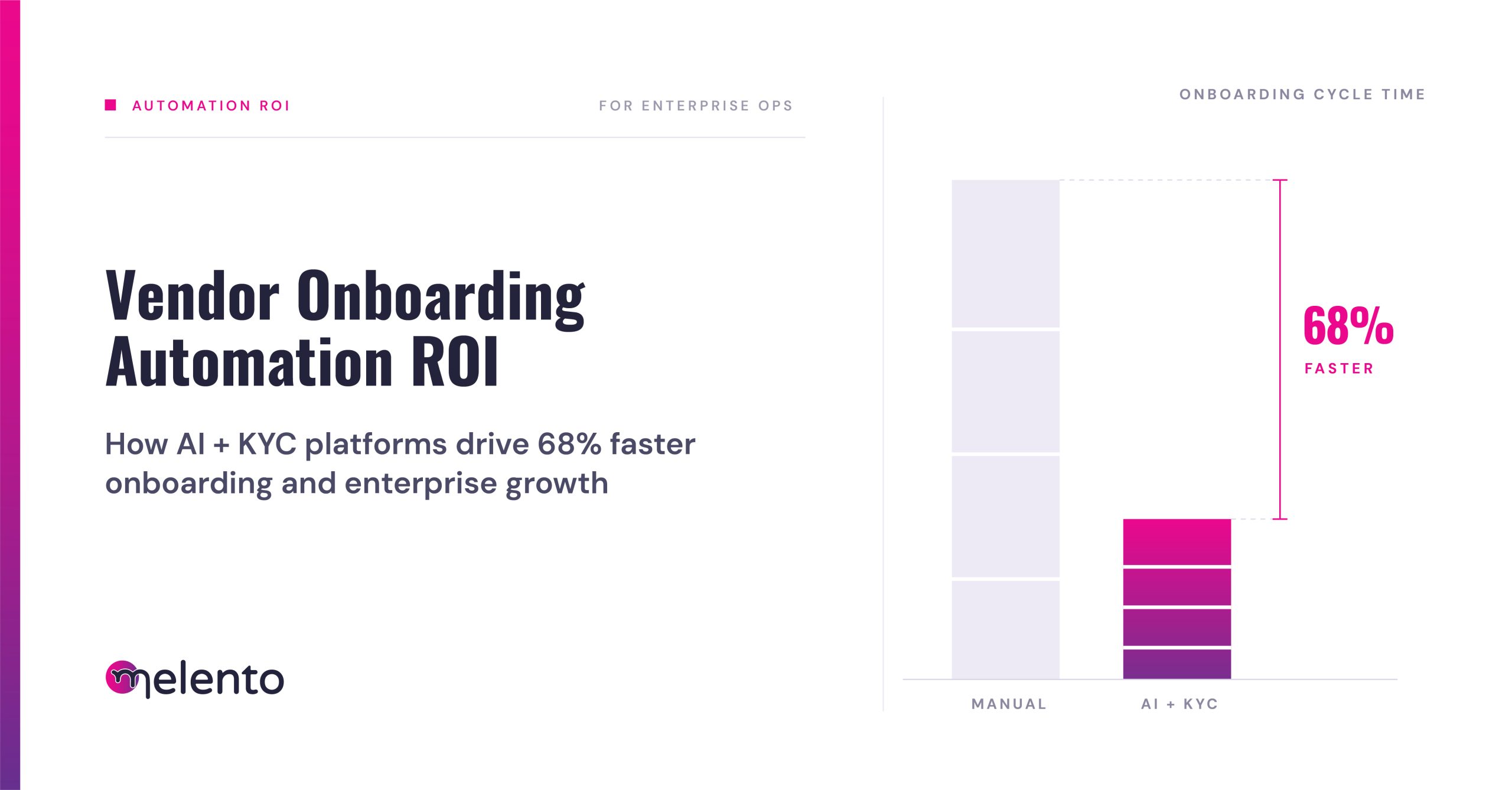

Still relying on franking? You could be delaying critical deals by days. 72% of BFSI firms report delays due to franking and manual stamping.
Traditional franking burdens businesses with inefficiencies. Revenue loss, compliance gaps, and missed TATs are such common inefficiencies. Digital stamping revolutionizes legal documentation workflows. It slashes costs, boosts compliance, and saves time.
Digital-first CFOs are switching to smarter, faster franking alternatives. Over 3000 enterprises trust Melento (Formerly SignDesk)’s digital stamping platform to automate stamping operations. Melento (Formerly SignDesk)’s Digital Stamping reduces documentation time by 68%. This article reveals why franking is outdated and how digital stamping unlocks strategic value for CFOs.
Ready to cut stamp duty TAT by 68%? Try Melento (Formerly SignDesk) eStamp Solution
Franking: A Legacy Process That Slows Down Your Deals
The term franking originates from the French word “affranchir”, which means ‘free’. Franking is one of the methods for stamping documents to pay stamp duty. This process is used in property deals, loan transactions, and legal documentation processes.
The franking process is manual, location-dependent, and riddled with delays. Franking ensures legality, but often at the cost of speed and control. Legal heads are switching to faster, paperless alternatives.
How Franking Works & Why It Matters for Legal Documents
State governments procure and standardize franking machines centrally. They license banks or authorized agents to operate these machines. Entities must apply for a franking license via a state nodal office — usually the Superintendent of Stamps or a designated post office.
Franking is done via franking machines at authorized bank branches. A red impression on the paper confirms that the stamp duty has been paid. This impression acts as legal proof during audits and disputes.
What Does a Franked Document Look Like?
A franked document carries a red impression with:
- The stamp duty amount
- Date of payment
- Unique reference number
- Bank/agency details
This imprint is affixed either before or after document execution. It depends on the state’s specific regulations and procedural rules.
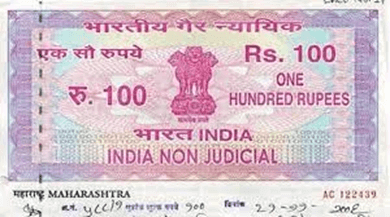
Why Did Franking Replace Traditional Stamp Papers?
Before franking, traditional stamp papers were the standard mode of duty payment. But these papers were easily tampered with, forged, or duplicated. Widespread scams (notably the ₹200 billion Telgi scam, 2003) and revenue leaks prompted states to adopt more controlled, traceable methods. To ensure security, the government introduced franking machines as a safeguard.
Legal Foundation for Franking
Franking is governed under the Indian Stamp Act, 1899. Each state independently regulates:
- Stamp duty rates and document categories
- Authorized franking locations and licensing guidelines
- Maximum franking limits per day
- Pre- or post-execution franking rules
Franking remains legally valid but operationally restricted and inefficient. Smart enterprises now seek faster, more scalable digital stamping solutions
Franking Charges: The Hidden Compliance Cost Eating Into Your Margins
Franking charges are operating fees paid for stamp duty and stamped documents. They are levied in addition to the actual stamp duty amount. Authorized banks or franking agents charge this fee to process franking. This cost is often non-refundable and varies from state to state.
Franking Charges Apply Across Multiple Use Cases
- Property registration documents
- Property sale or transfer agreements
- Home or business loans
- Lease deeds and rental agreements
- Commercial contracts and MoUs
State-Wise Variation in Franking Charges
Franking fees are not standardized across India. Here’s how different states apply charges:
|
State |
Franking Charges |
|
Karnataka |
0.1% of transaction value (max ₹500) |
|
Maharashtra |
0.1% to 3%, depending on the document |
|
Tamil Nadu |
₹10 to ₹100 flat per document |
|
Gujarat |
0.1% capped at ₹200 |
Example: Franking Charges in Karnataka
- Property Value: ₹20,00,000
- Stamp Duty (8%): ₹1,60,000
- Franking Charges (0.1% of duty): ₹160
Karnataka adjusts stamp duty split:
✔️ 7.9% as duty, 0.1% as franking charge.
✅ Exemptions & Tax Considerations
- No GST applicable (as per the GST Act 2017 – judicial papers exempt)
- No TDS deducted on franking fee payments
- Stamp duty paid via franking is tax-deductible in certain cases
Franking vs Stamp Duty: Know the Difference, Avoid Costly Errors
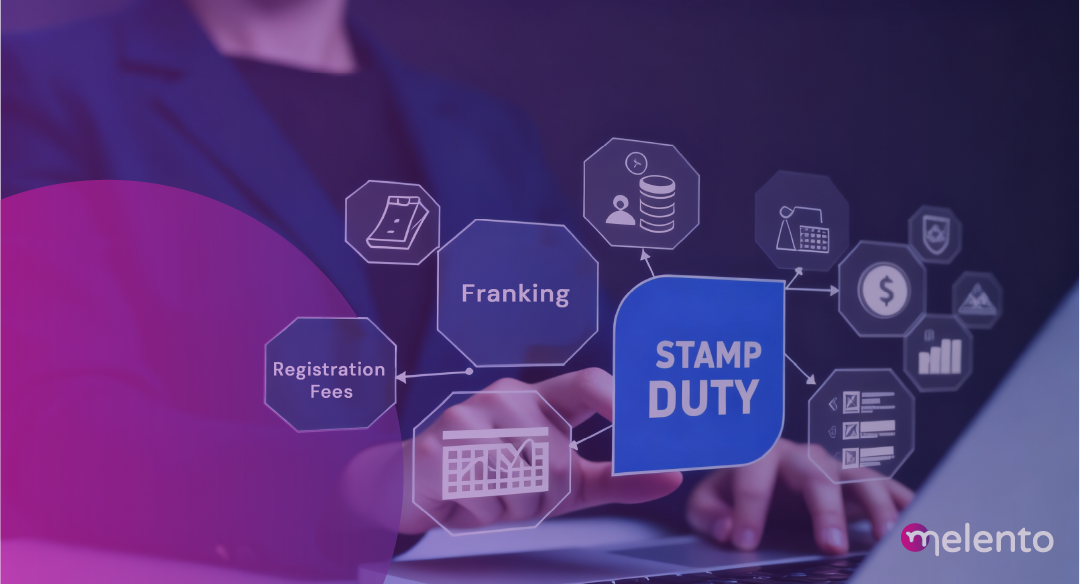
Franking and stamp duty are often confused, but they’re distinct. Stamp duty is a tax. Franking is just one way to cover the cost. In traditional stamping, stamp duty is paid to licensed vendors. It can also be paid at the sub-registrar’s office.
On the other hand, franking charges are paid at authorized banks or franking agencies. Only government-approved entities are permitted to use franking machines. These agents imprint the stamp duty on the document.
To summarise the differences between stamp duty and franking –
|
Stamp Duty |
Franking |
|
Tax levied by the government on legal documents & agreements |
A method to pay stamp duty using a franking machine that impresses a specific denomination |
|
Mandatory charge for all legal documents |
An optional mode of payment, depending on the state or registrar mandate |
|
Paid at the sub-registrar’s office |
Paid at the authorised banks/agents |
|
Authorised websites pay for eStamping online |
eStamp paper is previously franked |
|
Stamp duty charges vary between 4-10% depending on the state |
Franking charges are lower and vary between 0.1% to 3%, depending on the state |
Why Franking Slows You Down: 5 Reasons It Hurts Growing Enterprises
Franking has geographical and operational limits. Franking may work for small, infrequent transactions. However, for enterprises with bulk documentation, franking charges can add up. Delays and physical visits add to administrative overheads.
- Limited Daily Quotas at Banks
Banks receive a fixed franking quota from the state. Once exhausted, no more documents can be franked that day. Business-critical deals often stall due to these restrictions.
- Manual, Offline Processing Increases Turnaround Time
Franking requires a physical visit to a branch. Documentation must be submitted, validated, and stamped manually. End-to-end TAT often stretches to 3-5 working days.
- No Real-Time Visibility or Audit Trail
Franking offers no digital dashboard or status tracking. CFOs and legal teams lose visibility into stamping progress. This hampers audits, compliance reporting, and internal SLAs.
- High Risk of Loss, Fraud & Forgery
Franking impressions are physical and susceptible to tampering. There’s no embedded digital proof or traceable metadata. Forgery and misuse are common in property and loan documents.
- Not Scalable for High-Volume Businesses
Franking is not designed for enterprises with high daily transaction volumes. It slows down high-frequency processes, such as loan approvals and onboarding. Scaling operations with franking leads to compliance and cost challenges.
See how 3000+ CFOs automated stamping to scale their business with Melento (Formerly SignDesk).
Digital Stamping: A Faster, Safer Alternative to Franking
Digital stamping replaces manual franking with instant, tamper-proof processes. Digital stamping platforms, such as Melento (Formerly SignDesk), eliminate variable franking costs and inefficiencies.
Enterprise-Ready eStamping with SHCIL-Powered Compliance
Digital stamping utilizes eStamp paper generated in real-time via licensed authorities. In India, the Stock Holding Corporation of India Ltd (SHCIL) is the central agency. SHCIL facilitates the secure payment of stamp duty and the issuance of legally valid e-stamp certificates.
✅ Built for Industry-Grade Scale
Digital stamping supports bulk documentation and contract automation. Legal, BFSI, NBFC, and real estate teams process thousands of documents daily. No more queues, manual errors, or franking limitations. It integrates seamlessly with contract lifecycle platforms and digital workflows.
✅ Secure, Compliant, and Tamper-Proof
-
- eStamp papers are stored digitally with encrypted access
- Each document is traceable and audit-ready
- Eliminates forgery, duplication, or physical damage
- Fully compliant with the Indian Stamp Act and state-specific regulations
eStamp is more secure and tamper-proof than any other mode of stamp duty payment. Only authorized banks can generate e-stamp paper online; ordinary citizens are not allowed to create it themselves. Customers can easily transact online through net banking or use a bank challan.
Physical stamp and manual stamp duty payments can be inconvenient. They are a slow process and result in enormous TAT. Digital stamping is an alternative solution with more benefits and convenience.
|
Feature |
Franking |
eStamping |
|
>Real-time stamping |
❌ |
✔️ |
|
Requires physical presence |
✔️ |
❌ |
|
Risk of forgery/loss |
High |
Minimal |
|
Quota-based |
✔️ |
❌ |
|
TAT |
3-5 days+ |
<10 minutes |
|
Stamp paper storage |
Physical |
Digital |
|
Bulk operations |
Difficult |
Seamless |
|
API Integration |
❌ |
✔️ |
How Melento (Formerly SignDesk) Eliminates the Franking Bottleneck — in Under 10 Minutes
Melento (Formerly SignDesk)’s eStamping platform enables instant, paperless, and compliant digital stamping. Businesses can pay stamp duty more quickly, securely, and entirely online. The entire process is streamlined, compliant, and completed in minutes — no queues, no banks, no delays.
Steps to Pay Stamp Duty with Melento (Formerly SignDesk)
The eStamping process involves uploading the document to be stamped using a digital stamping solution, selecting the amount, denomination, state, and other details for the stamp papers, paying stamp duty, and downloading the stamped document.
Step 1. Log in to Melento (Formerly SignDesk)’s secure eStamping platform
Step 2. Deposit advance stamp duty as per your requirement
Step 3. Enter document details:
- State of execution
- Party details (first and second party)
- Article number, denomination, stamp duty value, etc.
Step 4. Upload the document for stamping
Step 5. Download the digitally stamped document instantly
👉 Total Time: Under 10 Minutes
Melento (Formerly SignDesk) ensures a seamless, paperless digital stamping experience. Ideal for CFOs, legal heads, and operations teams managing high-volume contracts.
Why Leading Enterprises Trust Melento (Formerly SignDesk) for Digital Stamping
|
Feature/ Capability |
Melento (Formerly SignDesk) Advantage |
|
Market Penetration |
85% adoption across BFSI, NBFC, Pharma, and Real Estate sectors |
|
Turnaround Time (TAT) |
68% faster TAT – Reduced from 3–5 days to under 10 minutes |
|
Enterprise Adoption |
Trusted by 50+ Indian banks and 120+ large enterprises |
|
Bulk Document Stamping |
e-Inventory and multi-document stamping in one click |
|
Clause Builder & CLM Integration |
Automates stamping and contract workflows for high-compliance industries |
|
Audit Trail & Role-Based Access |
Full traceability with secure user-level permissions |
|
Real-Time Dashboard Analytics |
Instant visibility into stamping volume, usage, and compliance |
Should CFOs Still Use Franking in 2025? – Digital Stamping is the Smart Alternative
Franking is a legacy process — manual, slow, and unscalable. Today’s enterprises require digital, compliant, and high-speed stamping solutions.
If you’re processing more than 10 stamp duty transactions a month, the franking model is no longer cost-effective. It creates operational delays, increases audit risk, and limits scale.
Digital stamping with Melento (Formerly SignDesk) empowers CFOs to:
✅Eliminate manual bottlenecks
✅Slash TAT from days to minutes
✅Enable bulk stamping across states
✅Ensure 100% compliance with role-based access
✅Integrate seamlessly with CLM, ERP, and legal workflows
Trusted by 3000+ enterprises, Melento (Formerly SignDesk) e-stamping solution – Digital Stamping is an award-winning digital stamping solution. Our solution seamlessly integrates with CLM software, efficiently creating and customizing digital documents.
Franking days are over. Start stamping smarter in minutes.