
Every business, whether a startup, a mid-tier tech firm, or an enterprise, runs on contracts: customer agreements, vendor contracts, employment letters, NDAs, service-level agreements, leases, and more.
Despite their importance, many organisations still manage contracts using email threads, shared drives, and manual approvals. This outdated approach creates severe operational issues:
- Drafts and versions are scattered across folders
- Approvals are stuck with unavailable stakeholders
- Missed renewal dates and compliance gaps
- No clear visibility into obligations or risks
The result? Slow deal cycles, compliance vulnerabilities, and lost revenue opportunities.
This isn’t theoretical. According to a survey of more than 500 legal professionals, 82% of teams relying on manual processes experience significant delays. For business leaders, this means manual contract management is no longer sustainable.
As deal volumes grow and regulation tightens, the cost of doing nothing becomes too high. Organizations without a structured CLM struggle to keep pace, while competitors that adopt automated contract lifecycle management can operate faster, more securely, and with greater strategic clarity.
This is why Contract Lifecycle Management (CLM) is no longer a legal convenience. Whether you’re leading legal, procurement, finance, or executive operations, understanding how CLM software works and how it can scale your contracting workflows is essential for competitive advantage.
Transform contracting from a bottleneck into a growth driver. Let’s unpack what CLM really means, how it works, and why forward-looking organizations are embracing it.
What Is CLM (Contract Lifecycle Management)?
CLM, or Contract Lifecycle Management, is a structured approach to managing contracts throughout their lifecycle, from request and drafting to execution, storage, compliance monitoring, and renewal, all within a single, centralized system.
Instead of contracts living in inboxes, shared drives, or disconnected tools, CLM brings order, visibility, and control to how agreements are created and managed.
In simple terms: CLM ensures contracts don’t slow your business down or expose it to risk.
The Purpose of CLM: Why It Exists
At its core, CLM is designed to make contracts work for the business, not against it. A modern CLM ensures contracts are:
- Created faster using standardized templates and clauses
- Reviewed consistently against legal and business rules
- Approved correctly through defined workflows
- Signed securely using compliant digital methods
- Tracked throughout their lifecycle, including obligations, renewals, and expiries
|
According to insights from CLM adoption surveys, organizations that move away from manual contract handling report:
|
This shift isn’t about automation for automation’s sake; it’s about operational clarity.
Traditional Contract Management vs. Automated CLM
|
Traditional Contract Management |
Automated CLM |
|
Email-based coordination |
Centralized, role-based workflows |
|
Manual drafting from scratch |
Templates & clause libraries |
|
Multiple versions across teams |
Controlled versioning with audit trails |
|
Missed renewals & deadlines |
Automated alerts & reminders |
|
Limited visibility into contracts |
Real-time dashboards & reporting |
Why This Matters for Growing Businesses
Research shows that one of the most common pain points across organizations is a lack of visibility; teams don’t know:
- Where is the contract stuck?
- Who needs to approve it?
- What obligations are active?
- When is it up for renewal?
CLM solves this by serving as a single source of truth for all contracts, legal, HR, procurement, finance, and sales.
As deal volumes increase and compliance expectations rise, CLM becomes less of a “legal tool” and more of a business-critical system.
Why Companies Need CLM?
Here’s why organizations across industries are moving to Contract Lifecycle Management (CLM).
1. Faster Contract Drafting
A sales team needs to send out a new customer agreement. Without CLM, they search for an old version, copy it, manually tweak the clauses, and send it to legal, often triggering multiple rounds of rework.
With CLM, the same team selects a pre-approved template, fills in key details, and generates a compliant contract in minutes.
|
Why it matters:
|
|
Outcome: Deals move faster, onboarding happens sooner, and teams don’t reinvent contracts every time. |
2. Reduced Legal Risks
A vendor contract goes live with an outdated liability clause because no one noticed the change buried in an email thread. Months later, a dispute exposes the company to avoidable risk. CLM prevents this by enforcing approved clauses, tracking redlines, and maintaining full version history.
|
Why it matters:
|
|
Outcome: Fewer surprises, stronger legal protection, and confidence that every contract follows policy. |
3. Better Compliance
An HR team forgets to update employment contracts after a regulatory change. Some new hires are compliant; others aren’t, creating audit risk. With CLM, compliance rules are embedded in templates and workflows, ensuring every contract complies with current regulations.
|
Why it matters:
|
|
Outcome: Compliance becomes proactive, not reactive, without slowing down business teams. |
4. Transparency & Contract Tracking
Leadership asks: Which vendor contracts are expiring this quarter?
The answer takes days: spreadsheets, emails, and manual checks. But with CLM, the answer takes seconds.
|
Why it matters:
|
|
Outcome: Complete visibility into contract status, obligations, renewals, and performance — all from one dashboard. |
If your contracts still live in inboxes and folders, it’s time to rethink how you manage them.
How CLM Works: The End-to-End Contract Lifecycle (Built for Speed & Control)
Modern businesses don’t lose time because contracts are complex; they lose time because contracts are unstructured. A complete Contract Lifecycle Management (CLM) system like Melento CLM brings every stage of a contract into a single, connected workflow – eliminating delays, reducing risk, and accelerating execution.
Here’s how a modern CLM system works in practice
1. Contract Request/Intake: Start with clarity, not chaos
Business teams initiate contracts through structured digital intake forms that capture all key details upfront (party information, contract type, value, timelines).
Incomplete contract requests are a leading cause of drafting delays. Structured intake reduces back-and-forth and speeds up initiation. With Melento CLM, every request enters a standardized workflow – no missing data, no email trails.
2. Contract Creation: Draft faster without compromising legal accuracy
Contracts are auto-generated using pre-approved templates and clause libraries, ensuring consistency across teams and geographies.
Template-driven drafting can cut drafting time by up to 60%, according to contract operations benchmarks. Moreover, Melento enables Word-based drafting with built-in controls, and legal teams stay efficient without changing how they work.
3. Review & Collaboration: One document. One source of truth.
Legal, finance, procurement, and business teams collaborate on the same document with:
- Controlled access
- Tracked changes
- Comment history
Hence, fewer version conflicts and faster reviews, especially critical for cross-functional and distributed teams.
4. Negotiation & Redlining: Negotiate digitally, without losing control
Counterparties negotiate terms directly within the platform, with full version control and redline tracking. Poor version management is a leading cause of contractual disputes. Digital negotiation ensures nothing slips through unnoticed.
5. Approvals & Workflows: Automated approvals, zero bottlenecks
Contracts are routed automatically to the right stakeholders based on:
- Contract value
- Risk level
- Contract type
Business impact: Automated approval workflows reduce approval delays by 40–50% compared to manual processes. Melento CLM ensures approvals move at business speed, not inbox speed.
6. Signing (eSignature / Digital Signature): Execute contracts in minutes, not weeks
Contracts are signed using legally valid digital methods:
- OTP-based eSign
- Aadhaar eSign
- Digital Signature Certificates (DSC)
Digital signing reduces execution time from days to minutes, accelerating deal closures and onboarding.
7. Storage & Central Repository: Every contract, instantly searchable
Executed contracts are stored in a secure, centralized repository with role-based access and advanced search. Teams waste hours searching for contracts. Central repositories restore visibility and accountability.
8. Obligation & Compliance Management: Know what you owe before it becomes a risk
Key obligations, SLAs, milestones, and compliance requirements are tracked automatically. Missed obligations constitute a significant source of financial and reputational risk. Automated tracking ensures nothing is overlooked.
9. Renewals, Amendments & Expiry Alerts: Never miss a renewal again
Automated alerts notify teams well before renewals, expiries, or renegotiation windows. Missed renewals can result in unfavorable terms or revenue leakage. CLM ensures proactive action, not reactive firefighting.
10. Reporting & Analytics: Turn contracts into business intelligence
Real-time dashboards provide insights into:
- Contract status
- Cycle times
- Risk exposure
- Performance trends
Visibility enables better forecasting, risk management, and strategic decision-making.
By bringing structure, automation, and intelligence to every stage of the contract lifecycle, Melento CLM helps organizations move faster.
What Are the Key Features of Melento CLM Software?
A modern contract management platform shouldn’t just store agreements; it should accelerate contracting, strengthen compliance, and turn contracts into strategic assets. That’s precisely what Melento CLM delivers: a unified, intelligent system built for today’s enterprise demands.
- Contract Templates & Clause Libraries
Melento includes pre-approved templates and a rich clause library that ensures consistency, reduces risk, and eliminates repetitive drafting. Legal teams can standardise language while business users generate compliant drafts on demand.
Business Impact: Fewer errors, faster turnaround, and better governance from day one.
- MS Word Sync for Familiar Drafting
Melento’s MS Word sync lets users draft in Word, with changes syncing bidirectionally to the CLM platform. This blends the comfort of familiar tools with the power of a structured governance engine.
Business Impact: Zero learning curve + real-time compliance control.
- Automated Approval Workflows
Melento automates approval routing based on roles, value thresholds, or contract type. Approvals are processed systematically, with reminders and audit trails that reduce bottlenecks and eliminate manual follow-ups.
Business Impact: Approvals happen faster with fewer exchanges, cutting cycle times by up to 80%.
- AI-Powered Metadata & Clause Extraction
Melento uses AI to automatically extract metadata, parties, dates, obligations, and clauses from every contract. This removes manual tagging, ensures accuracy, and drives structured insights across your entire repository.
Business Impact: Better reporting, faster search, and reduced legal workload.
- Built-In eSign & eStamp Integration
With native eSign (OTP, Aadhaar eSign, DSC) and digital stamping, Melento turns execution into a frictionless process. This eliminates printing, scanning, and courier costs while improving compliance and audit readiness.
Business Impact: Execution time collapses from days to minutes, with fully verifiable legal evidence.
- Secure Contract Repository
Melento stores all executed and draft contracts in a secure, searchable, role-based repository. Version history, access controls, and centralized filing mean nothing gets lost, duplicated, or misunderstood.
Business Impact: Reduced risk, better governance, and instant access across teams.
- Obligation, Renewal & Milestone Tracking
Track key dates, obligations, SLAs, and renewals with automated alerts and escalation paths. This keeps stakeholders proactive, not reactive, on compliance and performance commitments.
Business Impact: Fewer surprises, better compliance, stronger vendor and customer relationships.
- AI Contract Q&A for Instant Insights
Melento’s AI assistant allows users to query contracts in natural language, e.g., “When does this SLA renew?” or “What’s the liability cap?”, and receive immediate, accurate answers.
Business Impact: Faster decisions without legal bottlenecks.
Whether you’re a legal team looking to standardise contracts, a procurement group chasing approvals, or an enterprise leadership team aiming for operational clarity, Melento CLM transforms contracting into a competitive advantage.
Benefits of Implementing Melento CLM
Contract Lifecycle Management delivers real value only when it changes how teams work every day. Melento CLM is designed to replace fragmented, manual contracting with faster, more predictable, and compliant workflows.
Here’s how that transformation shows up in practice:
- Saves Time Across the Contract Lifecycle
Manual contracting slows teams at every stage, drafting, reviews, approvals, and execution. Melento CLM removes these delays by automating repetitive actions and standardizing workflows.
What changes in practice:
- Contracts are generated instantly using pre-approved templates.
- Reviews and approvals move automatically – no follow-up emails.
- Signing and stamping happen digitally, without waiting for availability.
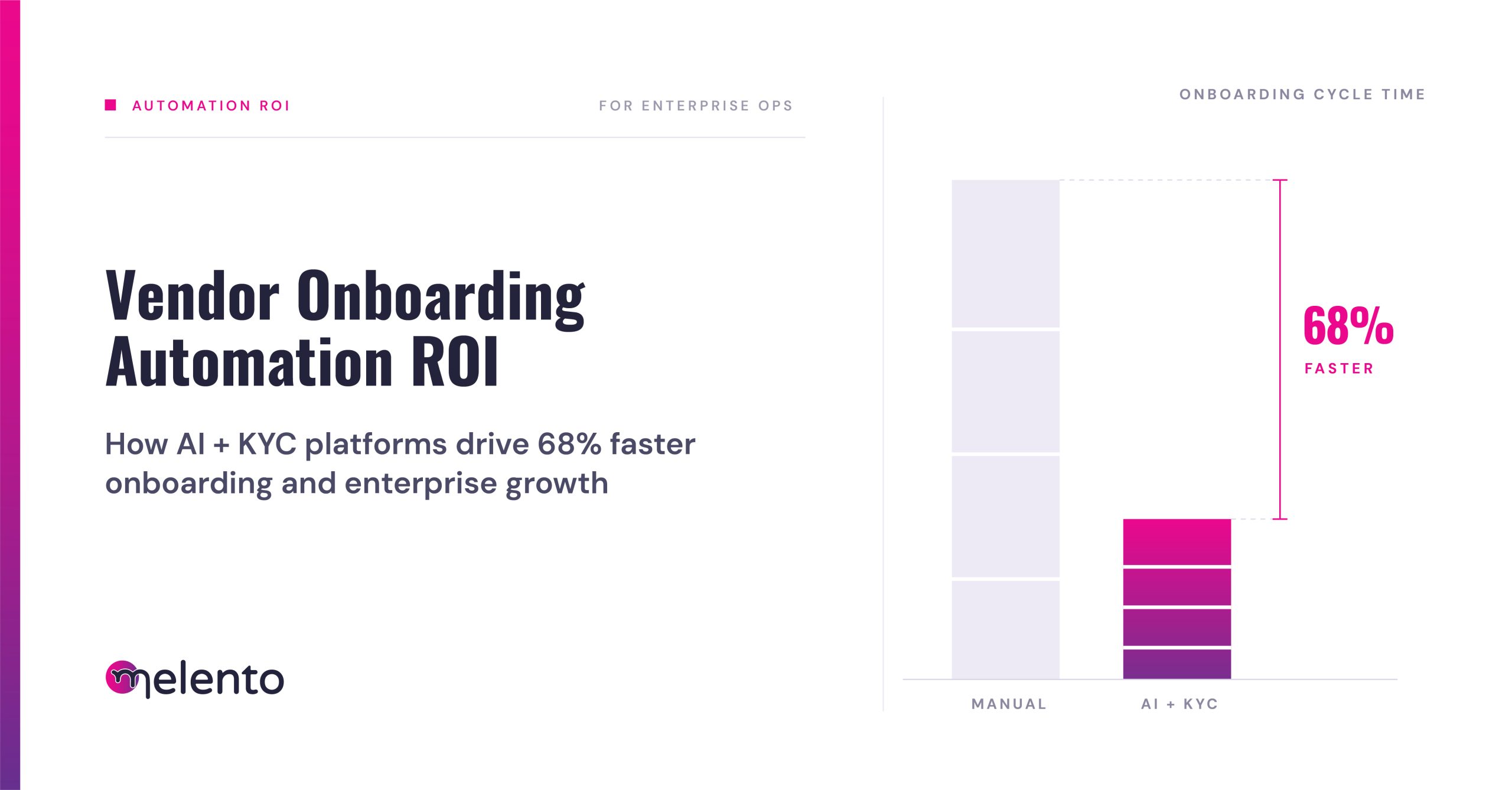
Organizations using CLM typically see 68% faster contract turnaround times, directly improving business velocity.
- Reduces Errors & Legal Risk
Errors often creep in when contracts are copied, edited manually, or tracked across versions. Melento CLM introduces structure and intelligence to reduce these risks.
What changes in practice:
- Approved clauses are reused consistently.
- Deviations from legal standards are flagged automatically.
- Every action is logged with a complete audit trail.
Inefficient contract management can cost businesses revenue leakage and compliance gaps, a risk that CLM is designed to prevent.
- Enhances Cross-Functional Collaboration
Contracts touch multiple teams – legal, sales, HR, procurement, and finance. Without a shared system, collaboration breaks down and accountability gets blurred.
What changes in practice:
- All stakeholders work from a single, controlled contract version.
- Real-time status visibility replaces status-check emails.
- Access is role-based, ensuring speed without sacrificing governance.
Teams using centralized CLM platforms report fewer internal coordination delays.
- Speeds Up Deal Cycles
Slow approvals and physical signing often delay revenue recognition and project kickoffs. Melento CLM removes these blockers.
What changes in practice:
- Approval workflows run in parallel instead of sequentially
- Contracts are executed instantly using OTP eSign, Aadhaar eSign, or DSC
- Remote execution supports global and distributed teams
Digital contract execution enables agreements to close up to 1.6x faster compared to paper-based processes.
- Delivers Visibility into Contract Performance
When contracts are stored as static files, businesses lose insight into renewals, obligations, and risks. Melento CLM turns contracts into actionable data.
What changes in practice:
- All contracts are searchable in a central repository
- Automated alerts prevent missed renewals or obligations
- AI-powered Q&A enables instant answers about clauses and timelines
This visibility helps leadership proactively manage risk, costs, and vendor or customer relationships.
Common CLM Use Cases: How Modern Teams Win with Contract Automation
Contracts touch nearly every function in an organization, from legal and HR to procurement and sales. But when teams rely on spreadsheets, shared drives, or email threads to manage agreements, inefficiencies cost time, revenue, and compliance confidence.
Here’s how major teams within Indian and global organizations benefit from purpose-built CLM like Melento.
- Legal Teams: Standardize, Streamline, and Strengthen Compliance
Legal departments are central to risk mitigation and contract governance. But when they are bogged down with repetitive reviews, version confusion, and untracked approvals, the entire organization feels the impact.
How CLM transforms legal work:
- Centralized templates and pre-approved clauses enforce consistency.
- Automated review workflows reduce bottlenecks.
- Built-in compliance checks and audit trails minimize risk.
Melento Advantage: Melento CLM ensures every contract draft complies with organizational and regulatory rules before it reaches legal, with real-time alerts for deviations and clear audit logs for every action.
- HR Teams: Faster Onboarding, Reliable Agreements
HR handles constant contract demand: offer letters, employment contracts, NDAs, policy acknowledgements, and contractor agreements – all with critical timelines.
What goes wrong with manual HR contracting:
- Delayed onboarding due to misplaced documents
- Inconsistent contract language across departments
- Lack of visibility into signed vs. pending agreements
Melento Advantage: With automated HR workflows, Melento CLM enables HR teams to issue legally binding contracts via Aadhaar eSign or OTP-based eSign, track acceptance in real time, and store employee agreements in a secure, searchable repository.
- Procurement & Vendor Management: Control at Scale
Procurement teams manage everything from vendor onboarding and service-level agreements (SLAs) to renewals and compliance checkpoints. The complexity grows exponentially with the number of vendors.
Common Issues:
- Manual tracking of vendor obligations
- Missed renewals or auto-escalations
- Lack of visibility into contract risk profiles
Melento Advantage: Melento CLM automates vendor contract lifecycles end-to-end, with alerts for SLA breaches, renewal windows, and compliance milestones, all with a secure audit trail for stakeholders.
- Sales & Customer Contracts: Speed that Drives Revenue
For revenue teams, slow contracting is a lost opportunity. E-sign delays, review loops, and manual handoffs between sales and legal slow down deal cycles, directly impacting top-line growth.
The business impact:
- Deals slip quarter to quarter.
- Manual processes create friction for customers.
- Revenue leakage due to delayed renewals.
Melento Advantage: Melento’s digital contract workflows align sales, legal, and operations with instant eSign (Aadhaar/OTP/DSC), digital stamping, and trackable dashboards, shortening sales cycles and boosting conversion rates.
Why CLM Is No Longer Optional
In a business environment where speed, compliance, and accountability define success, Contract Lifecycle Management (CLM) has become essential. From drafting and approvals to signing, storage, and renewals, contracts touch every critical function. Managing them manually introduces risk, delays decisions, and limits visibility at scale.
A modern CLM brings structure to complexity. It helps organizations move faster, reduce legal and operational risk, improve cross-team collaboration, and gain real-time visibility into contractual obligations and outcomes. More importantly, it turns contracts from static documents into strategic business assets.
As businesses embrace digital transformation, CLM platforms like Melento enable secure, compliant, and end-to-end contract automation – built for real-world workflows, regulatory needs, and growth at scale.