
Imagine your team just closed a ₹200 crore strategic deal. The paperwork? Wrapped up in under 10 minutes, with signatories sitting in three different time zones. No courier delays. No scanning errors. No compliance doubts.
That’s the invisible magic of digital signatures, and it’s transforming how modern businesses operate!
Yet, many CXOs still ask: How do digital signatures work? Are they legally valid? Can they protect us in court?
Let’s clear the air. In this guide, we break down the mechanics of digital signatures and outline their legal foundation. And show how Melento has helped 3,000+ enterprises achieve compliance, speed, and trust at scale – You can be the next!
Want a secure, compliant signing flow that closes faster? Keep reading.
Why CXOs Need to Understand Digital Signatures Are Better for Compliance
The Shift From Manual to Digital – It’s Not Just Faster, It’s Smarter
Let’s face it, manual signatures are holding your business back. 65% of companies that use manual signing reported that collecting physical signatures takes an entire working day.
From vendor contracts sitting on desks for days to documents lost in courier transit, manual signing creates invisible friction that costs enterprises time, trust, and money.
But not anymore – it’s 2025, and your competitors are already shifting from pen to pixel, from friction to flow, shortening the sales cycle by 400%. As a CXO, you are the custodian of speed, trust, and compliance in your organization.
| “eSign gives us higher operational efficiency, which is what I am okay with, since the alternative is physical signatures, which makes the entire process cumbersome and expensive,”
– Nithin Kamath, CEO, Zerodha |
Your brand’s reputation, legal protection, and revenue velocity now depend on how intelligently you digitize mission-critical processes, such as signing.
What Are Digital Signatures: Pillar of Digital Transformation?
A digital signature is not just an image of your signature. It’s a cryptographic fingerprint that securely and irreversibly binds a signer’s identity to a digital document.
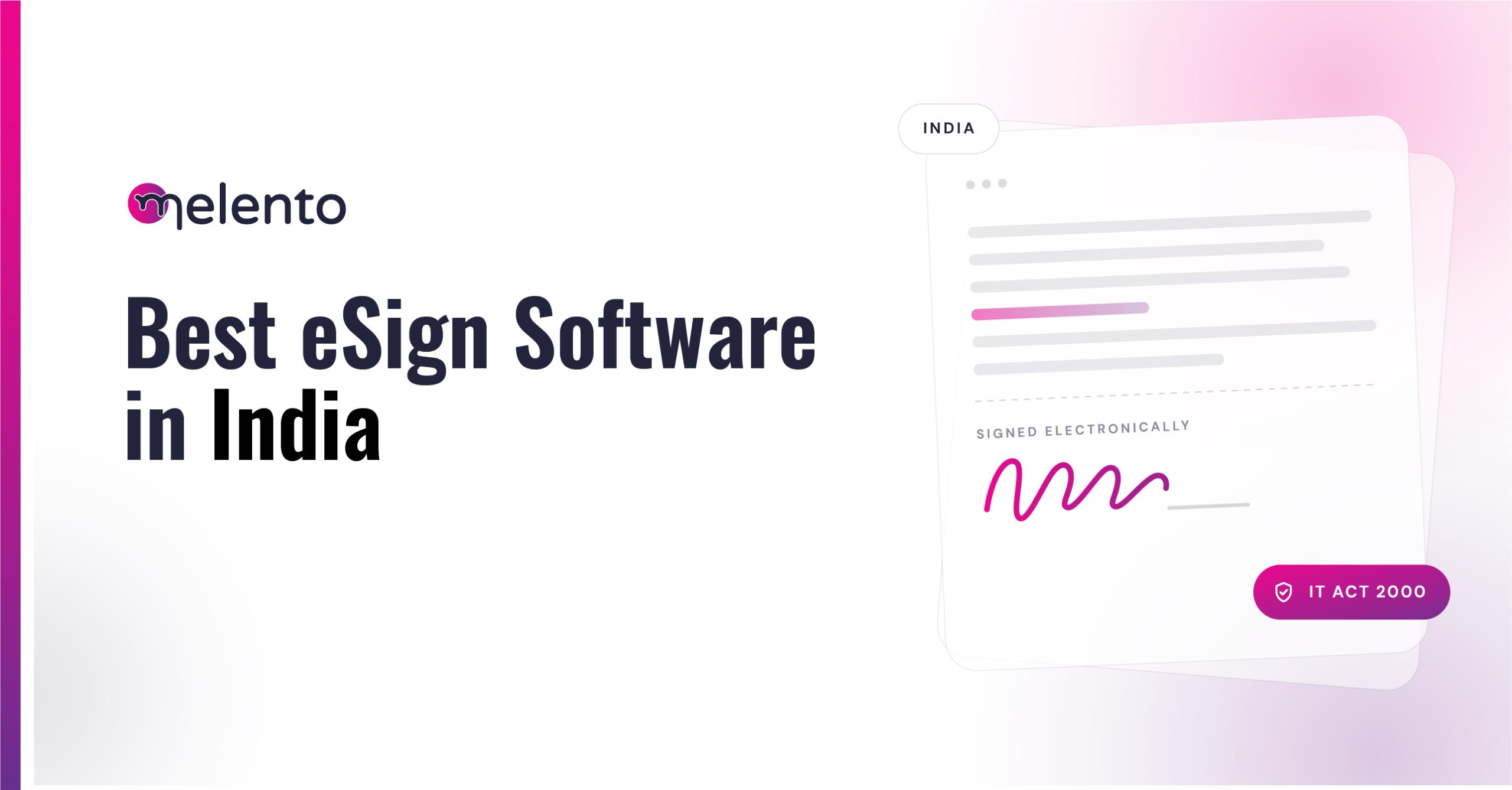
Under the Information Technology Act of 2000, digital signatures are legally recognized in India and are backed by PKI (Public Key Infrastructure) for security.
Moreover, digital transformation isn’t just about buying the latest tech – it’s about rethinking how your business works. And digital signatures are foundational to this journey.
|
A study revealed that enterprises that adopted digital signatures as part of their document lifecycle saw:
|
Any CXO would want the same results for their business, right? Whether you’re digitizing loan disbursals, sales agreements, vendor onboarding, or HR workflows, digital signatures accelerate trust at scale.
Business Risks of Misunderstanding eSign vs. Digital Signatures
Let’s clear up a major misconception: Not all eSignatures are created equal.
Many CXOs assume that dragging a signature image onto a PDF constitutes a digital signature. It doesn’t.
eSignature vs Digital Signature: What You Need to Know |
|
|---|---|
|
eSignature |
Digital Signature |
|
|
Understanding the difference between eSignatures and legally binding digital signatures is a business imperative for survival.
Digital signatures are easy to use & essentially involve a single click. However, behind this simple process of clicking and selecting a signature source is a complex workflow involving multiple instances of encryption and decryption.
Understanding how digital signatures work is integral to understanding why they’re secure.
How Digital Signature Works in India: Simplified for CXOs
You don’t need to be a cryptographer to understand how digital signatures work. As a CXO, what you need is clarity on how this technology protects your contracts, builds trust, and ensures compliance across high-stakes workflows.
Let’s break it down.
|
Key Concepts Of A Digital Signature |
||
|---|---|---|
|
Key Concept |
What It Means |
Why CXOs Should Care |
|
Public Key Infrastructure (PKI) |
A framework of secure technologies that manages keys and certificates |
Ensures that every digital signature is tied to a verified identity |
|
rivate & Public Keys |
Two mathematically linked keys – one stays secret (private), the other is shared (public) |
sed to lock and unlock the signature; ensures signatures can’t be forged |
|
Digital Certificate |
Issued by a government-authorized Certifying Authority (CA) like eMudhra or Capricorn |
Confirms that the signer is who they say they are – crucial for audit and legal trust |
|
Hashing |
Converts your document into a unique fingerprint (hash value) |
Even a 1-character change breaks the hash, making tampering detectable |
|
Encryption |
The hash is encrypted using the signer’s private key |
This makes the signature verifiable, secure, and non-repudiable (i.e., can’t be denied later) |
The 5-Step Digital Signature Process
How Secure, Legally Binding Digital Signatures Work, Step-by-Step:
|
Digital Signature Process Flow |
|---|
The contract is created and reviewed, ready for signing.
Signer’s private key encrypts a unique hash (fingerprint) of the document. This forms the digital signature.
The signer’s Digital Signature Certificate (DSC) is attached to prove their identity.
The recipient system uses the public key to decrypt the hash and checks it against the document.
If the hashes match, the document is proven to be authentic, unaltered, and legally signed. |
Step 1: Document Finalized
Get the contract ready to sign.
Before signing begins, the contract or agreement is:
- Drafted, reviewed, and finalized by all stakeholders
- Locked in its final version to ensure no further edits post-signing
|
At this stage, any changes made after signing would invalidate the signature due to a mismatch during verification. |
Step 2: Signer Applies Digital Signature
The private key creates a unique fingerprint for this version.
Here’s where the digital magic begins:
-
- A unique hash (think of it as a digital fingerprint) of the document is generated using a cryptographic function.
- This hash is then encrypted using the signer’s private key, which is known only to them.
- The result: a digital signature that locks the signer’s identity and the document content at the time of signing.
|
Even a one-character change in the document alters the hash, making tampering easily detectable. |
Step 3: Certificate Attached
Identity proof is baked into the signature.
A Digital Signature Certificate (DSC) is now attached:
- Issued by a licensed Certifying Authority (CA) such as eMudhra.
- Verifies the signer’s identity, organization, and authorization.
- Embedded directly into the signed document.
|
This certificate confirms the signer’s legal validity under the Indian IT Act, 2000, ensuring the signature is enforceable in court or by regulators. |
Step 4: Receiver Verifies Using Public Key
The public key checks whether the document is untouched.
When someone opens the signed document (e.g., a partner, auditor, or legal team):
- The system uses the signer’s public key to decrypt the signature and retrieve the original hash.
- It then recalculates the hash from the received document and compares it with the original hash.
If the hashes match:
✅ Document is verified as unaltered.
✅ Signature is confirmed as genuine and secure.
|
If not, it triggers an alert — the document has been tampered with or corrupted. |
Step 5: Authenticity Confirmed
Now it’s tamper-proof, time-stamped, and legally binding.
With matching hashes and a verified digital certificate:
- document is marked as authentic, unmodified, and legally signed.
- Full signing details (timestamp, signer’s name, IP address, location, etc.) are recorded in the metadata.
- The signed version becomes enforceable in legal and regulatory processes.
|
This fosters enterprise trust, streamlines audits, and ensures contract integrity across jurisdictions. |
Why This Matters For CXOs
|
Sign digitally from anywhere, saving 22,000 hours annually |
100% Compliant with the IT Act, SEBI, RBI, and global standards like eIDAS |
100% traceable, with full metadata – signer’s identity, location, timestamp |
Digital signatures are strategic enablers that enable you to move quickly without compromising trust or compliance. As a CXO, it’s your responsibility to choose an effective digital signature platform to speed up paperwork and protect your company’s future.
Digital Signature in India: How It Works Under the IT Act
For Indian enterprises going digital, understanding how digital signatures work legally isn’t just helpful—it’s mission-critical.
Let’s break down what you need to know as a CXO responsible for compliance, security, and speed.
First, the Legal Backbone: Indian IT Act & Digital Signatures
The Information Technology Act, 2000, governs Digital signatures. It gives electronic signatures the exact legal equivalence as handwritten ones, provided they meet specific technical and authentication standards.
|
Under Section 3 of the IT Act |
|---|
|
✅ Only digital signatures created using asymmetric cryptography and hash functions are recognized as legally valid. ✅ These signatures must be issued by a government-approved Certifying Authority (CA). |
In simpler terms? If your contract is signed using a DSC issued by a licensed CA, such as eMudhra or NSDL, it’s as enforceable as a contract signed on inked paper.
Aadhaar eSign: Fast, Scalable & Legally Valid
Aadhaar-based eSign is one of India’s most powerful innovations in digital transformation.
|
How Aadhaar eSign Works |
|---|
|
✅The signer authenticates their identity using OTP or biometric via their Aadhaar number. ✅The system accesses an Aadhaar XML file – a digitally signed, tamper-proof identity snapshot generated by UIDAI. ✅A temporary, session-based Digital Signature Certificate (DSC) is issued to the signer, which is used to digitally sign the document. ✅You can complete the entire process in under a few minutes. |
Every eSign carries the signer’s full identity trace, a timestamped record, and a legal backing under Section 3A of the IT Act.
|
Impact: Aadhaar eSign is ideal for high-volume use cases, including onboarding, loan agreements, eMandates, and internal HR documents. |
Class 3 DSC: Enterprise-Grade Compliance
When it comes to high-stakes business contracts or regulatory filings, most enterprises opt for Class 3 Digital Signature Certificates (DSCs).
Why they matter:
✅ Issued by CAs like Capricorn, eMudhra, NSDL
✅ PKI-backed digital signature – includes signer’s private key securely stored in a USB token.
✅ Ideal for vendor contracts, government tenders, SEBI/MCA filings, IPO documentation, and legal submissions.
|
Class 3 DSCs Are Non-Repudiable, Meaning? |
|---|
|
Indian Evidence Act: Can You Use Digital Signatures in Court?
Yes, Digital Signatures are admissible in the courts.
|
Under Section 65B of the Indian Evidence Act, digitally signed documents: |
|---|
|
That’s why digitally signed documents are now standard in loan recovery cases, commercial disputes, and contract enforcement.
|
Need help with IT Act- Valid, Verified & Court-Ready eSigning workflows?: Speak to a Melento eSign Expert |
The World Is Going Paperless: Are You In?
Digital signatures are no longer a ‘nice-to-have.’ They’re now a compliance backbone and growth catalyst – globally and in India.
Let’s look at the numbers that prove it.
|
Global Adoption: The Paperless Wave Is Here |
|---|
|
Takeaway: Enterprises worldwide are choosing digital signatures not just for compliance, but for speed, cost control, and trust.
|
India’s Digital Signature Boom |
|---|
|
India’s digital signature market is projected to reach USD 5.5 billion by 2030.
Government Push: SEBI, MCA, RBI, and IRDAI all accept eSigned documents for filings. |
Now, as a CXO, it’s your responsibility to choose a compliant digital signature tool for aligning your business with the future of speed, compliance, and efficiency.
CXO Checklist: What to Look for in a Digital Signature Solution
Make sure your digital signature platform checks all these mission-critical boxes:
|
1. Legal & Regulatory Compliance ☑️ IT Act, 2000 compliant (India) ☑️ eIDAS, ESIGN, UETA compliance (Global) ☑️ Valid under the Indian Evidence Act |
|
2. Certifying Authority Integration ☑️ Seamless integration with licensed CAs ☑️ Supports both Aadhaar eSign & Class 3 DSC |
|
3. Real-Time Authentication ☑️ Aadhaar OTP or biometric verification ☑️ DSC token-based identity verification ☑️ Timestamp & audit trail for every action |
|
4. Encryption & Data Security ☑️ End-to-end document encryption ☑️ PKI-backed signing with private key ☑️ Tamper-proof digital hash & certificate |
|
5. Scalability & Enterprise Fit ☑️ Usable across HR, Legal, Sales, Ops ☑️ API-first architecture for fast integration ☑️ Bulk signing, multi-party workflows supported |
Pro Tip for CXOs: Opt for a future-proof solution like Melento, designed from the outset for compliance, speed, and scalability.
Why Melento is the Choice of 3000+ Leading Enterprises
Because when speed meets compliance, magic happens.
At the enterprise level, digital signatures aren’t just about convenience; they’re about governance, agility, and trust. That’s where Melento stands out.
- Aadhaar eSign + DSC, Built-In
Whether you need a fast Aadhaar eSign or a Class 3 DSC for critical contracts, Melento supports both natively. No toggling, no workarounds.
- Digital Stamping, Seamlessly Integrated
Save hours with built-in digital stamping available in 25+ states. No more chasing stamp vendors or worrying about state-wise compliance gaps.
- One-Click CLM + eSign Workflows
Generate, review, approve, sign, and store – all in one automated flow. Melento unifies Contract Lifecycle Management with its robust CLM Software and eSign, enabling deals to close 1.6 times faster.
- Trusted by India’s Biggest Businesses
3,000+ leaders trust Melento to power over 50 million compliant documents – securely and at scale.
|
ROI You Can’t Ignore |
||
|---|---|---|
|
Factor |
Before Digital Signatures |
With Melento |
|
Time to Close (avg) |
2.5 days |
1.6x Faster |
|
Cost per Document |
₹150+ (paper, courier, handling) |
Super Affordable with Free Individual Signing |
|
Compliance Risk |
High |
Near Zero |
|
CX Experience |
Manual |
Seamless |
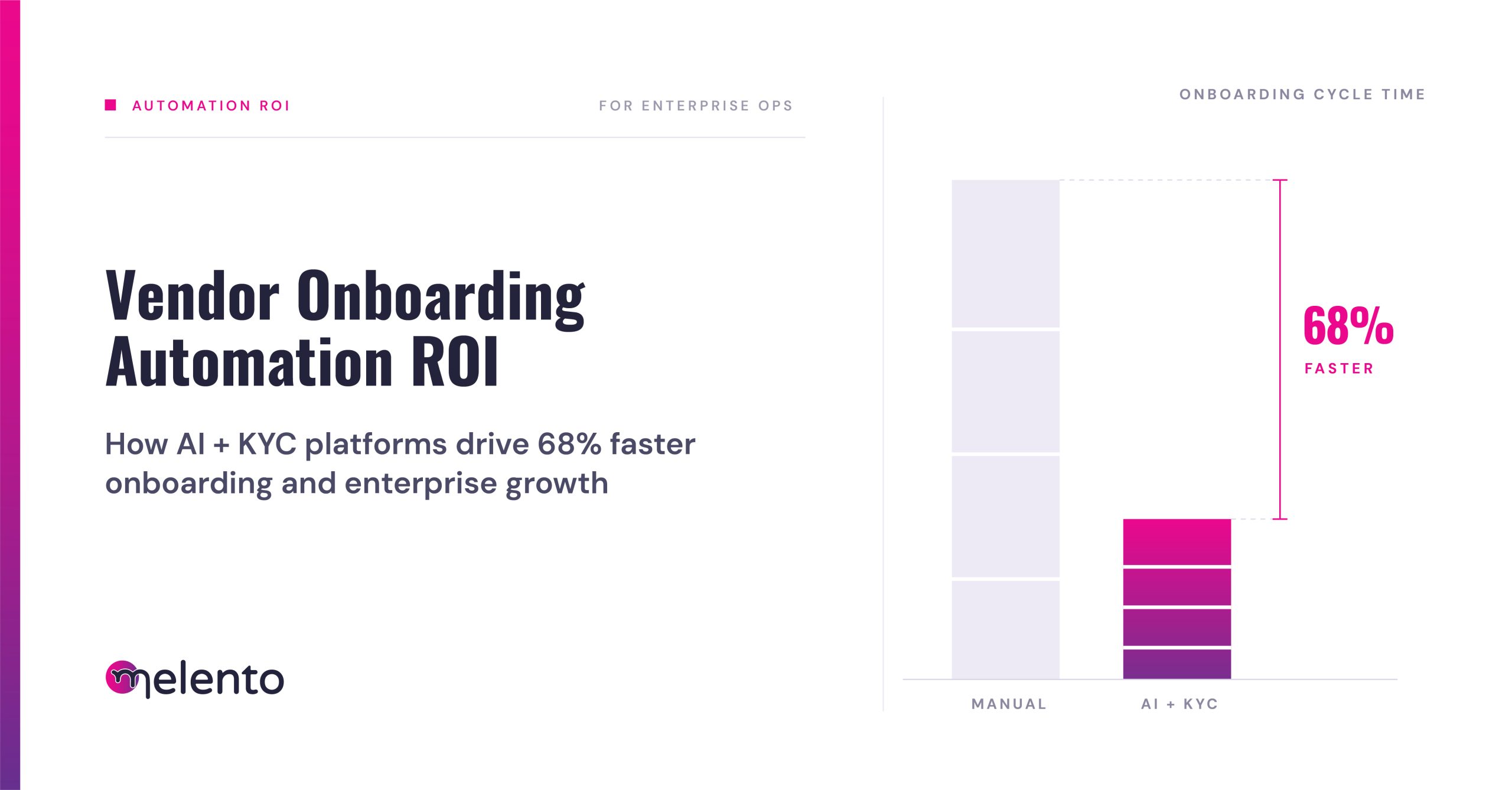
✅ 54% Cost Savings ✅ 68% TAT Reduction ✅ 100% Compliant
As a CXO, you’re steering your organization into a digital-first future. But trust, speed, and compliance don’t scale with PDFs and manual signing. They scale with Melento.