
Contracts are no longer just legal documents; they’re the engine of every digital workflow. Sales, HR, procurement, lending, onboarding, compliance… everything moves through a contract. And in a world where speed defines competitiveness, paper-based contracting simply can’t keep up.
With the electronics contract market projected to hit US$624.33 million by 2033, the forward-thinking businesses are already ahead in the digital transformation. Organizations are reaping the benefits of reduced cycle times and administrative costs by up to 55% with contract digitization.
For many of them, contract digitization is not just a marginal improvement; they see it as a structural advantage.
Yet many teams still feel stuck:
“Is this document valid if signed electronically?”
“What’s the difference between a clickwrap, eSigned, or digitally stamped contract?”
“Which type of electronic contract does the law actually recognize?”
These questions are real and increasingly urgent as businesses expand across geographies, regulators strengthen digital data protection laws, and customers expect frictionless onboarding.
This guide breaks it down clearly and practically. By the time you finish this guide, you’ll know exactly the types of electronic contracts, how they work, where they fit, and how to deploy them confidently across your business.
And if you’re looking for a unified way to draft, approve, sign, stamp, store, and track contracts digitally, platforms like Melento make it possible in minutes, not days. Let’s find out how!
What Are Electronic Contracts? Are They Legally Valid?
Starting with the basics, electronic contracts, often called e-contracts, are legally binding agreements created, executed, and stored electronically rather than on paper. They carry the same enforceability as traditional contracts, provided they meet the basic legal requirements of offer, acceptance, consideration, and intent.
|
In simple terms: If two parties agree digitally and their identities and consent can be verified, the contract is valid and enforceable. |
Legal Validity of Electronic Contracts
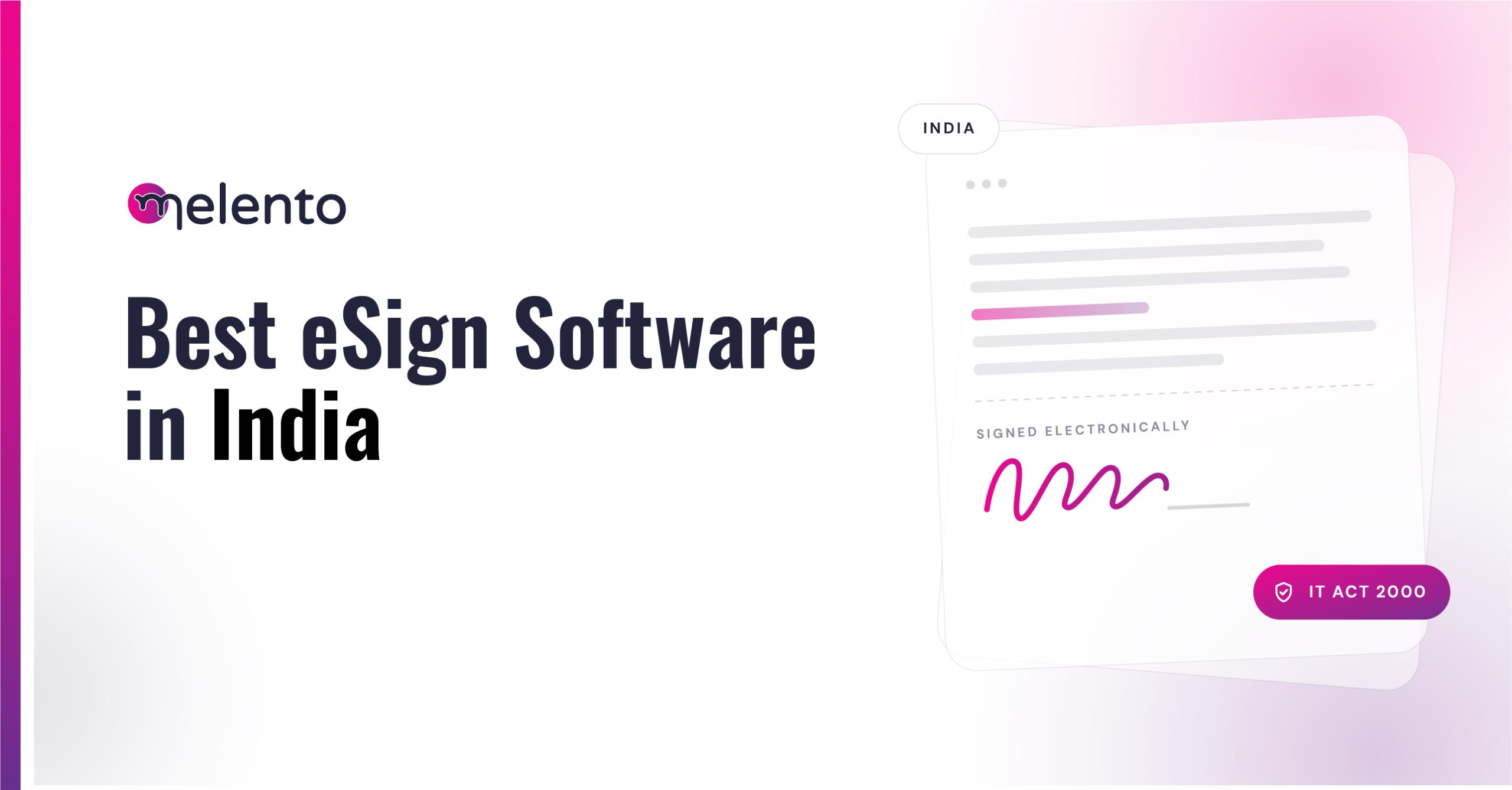
Electronic contracts are fully legal in India and recognized across major global jurisdictions.
|
India IT Act, 2000: Under Sections 4, 5, 10A, and 65B of the Information Technology Act, electronic records and digital signatures are legally valid and enforceable. What the law recognizes:
As long as the contract is digitally signed and both parties consent, it is legally valid. |
US ESIGN Act & UETA: Both laws confirm:
Contracts can’t be invalidated solely because they were created or signed electronically. |
European Union eIDAS provides three levels of e-signature (SES, AES, QES), all legally binding, with QES holding the same legal weight as a handwritten signature. Electronic contracts are recognized across all EU member states. |
Electronic contracts are faster, safer, more compliant, and dramatically more cost-effective than paper contracts.
| e-Contracts vs. Paper Contracts – A Quick Snapshot | ||
|---|---|---|
|
Aspect |
Electronic Contracts |
Paper Contracts |
|
Execution Speed |
In under minutes |
Days to weeks |
|
Signature Method |
eSign, DSC, OTP-based |
Wet signature |
|
Stamping |
Digital stamping |
Physical stamp paper |
|
Cost |
Low (no printing/courier) |
High (logistics + paper) |
|
Security |
Encrypted + audit trail |
Easily lost, tampered |
|
Compliance |
Auto-tracked |
Manual, error-prone |
|
Scalability |
Instant, global |
Limited, slow |
Top 8 Types of Electronic Contracts & How They Work
Digital transactions today work because electronic contracts quietly power every click, signup, checkout, and approval behind the scenes. They’re faster, traceable, globally enforceable, and hold a core business capability.
Here’s a practical breakdown of the major types of electronic contracts, how they work, and where they fit.
| Types of Electronic Contracts At a Glance | |||
|---|---|---|---|
|
Type of E-Contract |
How Acceptance Happens |
Where It’s Commonly Used |
Real-World Example |
|
Clickwrap |
User clicks “I Agree.” |
SaaS, apps, e-commerce |
Sign up on Zoom/Canva |
|
Browsewrap |
Implied by browsing |
News sites, public portals |
On Amazon or MakeMyTrip, at the bottom, it says, “By continuing to use this site, you agree to our Terms of Use.” |
|
Shrinkwrap |
Using/opening the product |
Packaged software |
Boxed software licenses |
|
Sign-in Wrap |
Consent embedded in signup |
Marketplaces, social apps |
“By signing up, you agree…” |
|
Email Contracts |
Acceptance over email |
Vendor onboarding, HR, and sales |
“Confirmed and accepted” email |
|
Electronic Signature (eSign) |
OTP, Aadhaar eSign, click-to-sign |
Banking, HR, sales, B2B agreements |
A loan application with the Bank |
|
DSC Contracts |
Govt-issued digital certificates |
BFSI, GovTech, compliance |
GST/MCA filings |
|
Smart Contracts |
Self-executing on blockchain |
Web3, fintech, supply chain |
Automated escrow release |
1. Clickwrap Agreements
Clickwrap contracts are the most widely used form of digital agreement, where users actively click “I Agree” to accept terms. Because consent is explicit and trackable, courts consistently find clickwrap agreements highly enforceable, making them ideal for high-volume digital experiences.
You’ll see clickwrap during SaaS signups, app installations, subscription onboarding, and e-commerce checkouts. Platforms like Zoom, Canva, or Netflix rely on clickwrap to ensure users clearly understand and accept their terms before proceeding.
2. Browsewrap Agreements
Browsewrap contracts work through implied consent, meaning a user agrees to the terms simply by continuing to browse a website. They add zero friction to the user journey but depend heavily on clear visibility, such as footer links or banners, to ensure enforceability.
Browsewrap is common across media platforms, e-commerce portals, and informational sites that expect ongoing, passive user interactions. For example, a news portal may state, “By continuing to use this site, you agree to our Terms,” with detailed policies linked in the footer.
3. Shrinkwrap Agreements
Shrinkwrap contracts are traditionally used in packaged or licensed software, where opening the physical box or installing the program indicates acceptance of the terms. Though older in origin, the shrinkwrap model remains relevant in hardware bundles, specialized tools, and traditional software licensing.
These agreements usually include printed or embedded terms inside the packaging, and acceptance is assumed when the user opens and uses the product.
4. Sign-in Wrap Contracts
Sign-in wrap agreements embed consent directly into the signup process, typically with a statement such as “By signing up, you agree to our Terms and Privacy Policy.” Unlike browsewrap, these contracts tie consent to a user’s deliberate action, creating a stronger compliance foundation with minimal friction.
Sign-in wrap is widely used by fintech apps, marketplaces, and social networks where seamless onboarding is essential. Platforms like LinkedIn and Twitter/X use this format to streamline user acceptance without interrupting the registration flow.
5. Email Contracts
An email contract is formed when two parties exchange terms and clearly express acceptance via email. As long as intent is unambiguous, these agreements are legally binding and recognized across jurisdictions.
They work exceptionally well for vendor approvals, recruitment offers, commercial negotiations, and rapid client interactions. A typical example is a vendor replying, “Confirmed and accepted,” to pricing and delivery terms shared by a procurement team, establishing a valid contract without any additional formality.
6. Electronic Signature (eSign) Contracts
Electronic contracts are executed using digital signing methods such as OTP-based signatures, Aadhaar eSign, click-to-sign workflows, or biometric-linked signing. Legally recognized under the IT Act, ESIGN Act, and eIDAS, these contracts offer substantial evidentiary value and audit trails.
They’re widely used in HR onboarding, sales agreements, consent forms, B2B contracting, and operations approvals.
Studies show eSign-based workflows are up to 1.6x faster, making them the preferred format for organizations prioritizing scale and compliance.
7. Digital Signature Certificate (DSC) Contracts
DSC-based contracts use government-issued digital certificates to authenticate identities and ensure the cryptographic integrity of documents. These signatures offer the highest level of trust, non-repudiation, and regulatory acceptance, making them essential in BFSI, GovTech, tax filings, and compliance-heavy workflows.
Whether signing MCA filings, GST documents, or regulated procurement contracts, DSC-based agreements ensure that every action is legally robust and fully audit-ready.
8. Smart Contracts (Blockchain-Based)
Smart contracts are self-executing agreements stored on blockchain networks that automatically trigger actions when predefined conditions are met. They remove the need for intermediaries and create a tamper-proof execution environment ideal for fintech, supply chain automation, Web3 ecosystems, token sales, and decentralized finance (DeFi).
For example, a smart contract may automatically release escrow funds upon a shipment reaching a verified checkpoint, ensuring real-time, trustless settlement between the parties.
eContract Use Cases Across Industries |
||
|---|---|---|
|
Workflow |
Examples |
Business Impact |
|
HR & Onboarding |
Offer letters, policy acceptance |
Faster hiring cycles |
|
Vendor & Procurement |
Vendor onboarding, POs |
Higher compliance, fewer errors |
|
Sales & Customer Onboarding |
Sales agreements, renewals |
Faster deal closures |
|
BFSI & Fintech |
Loan agreements, KYC consents |
Regulatory-ready workflows |
|
Legal & Enterprise |
NDAs, SLAs, MSAs |
Improved version control |
|
Internal Ops |
Declarations, approvals |
Higher completion & traceability |
What Are The Advantages Of Using Electronic Contracts?
Majorly digitally mature companies now run critical agreements through electronic workflows because the benefits are immediate and measurable.
Let’s break down the benefits of electronic contracts that matter most to teams today.
- Speed, Automation & Zero-Friction Workflows
Manual contracts slow everything down, including printing, scanning, courier delays, and follow-ups. Electronic contracts eliminate the entire bottleneck. Automated reminders, instant signing, and workflow routing mean agreements move from draft → review → sign in minutes.
|
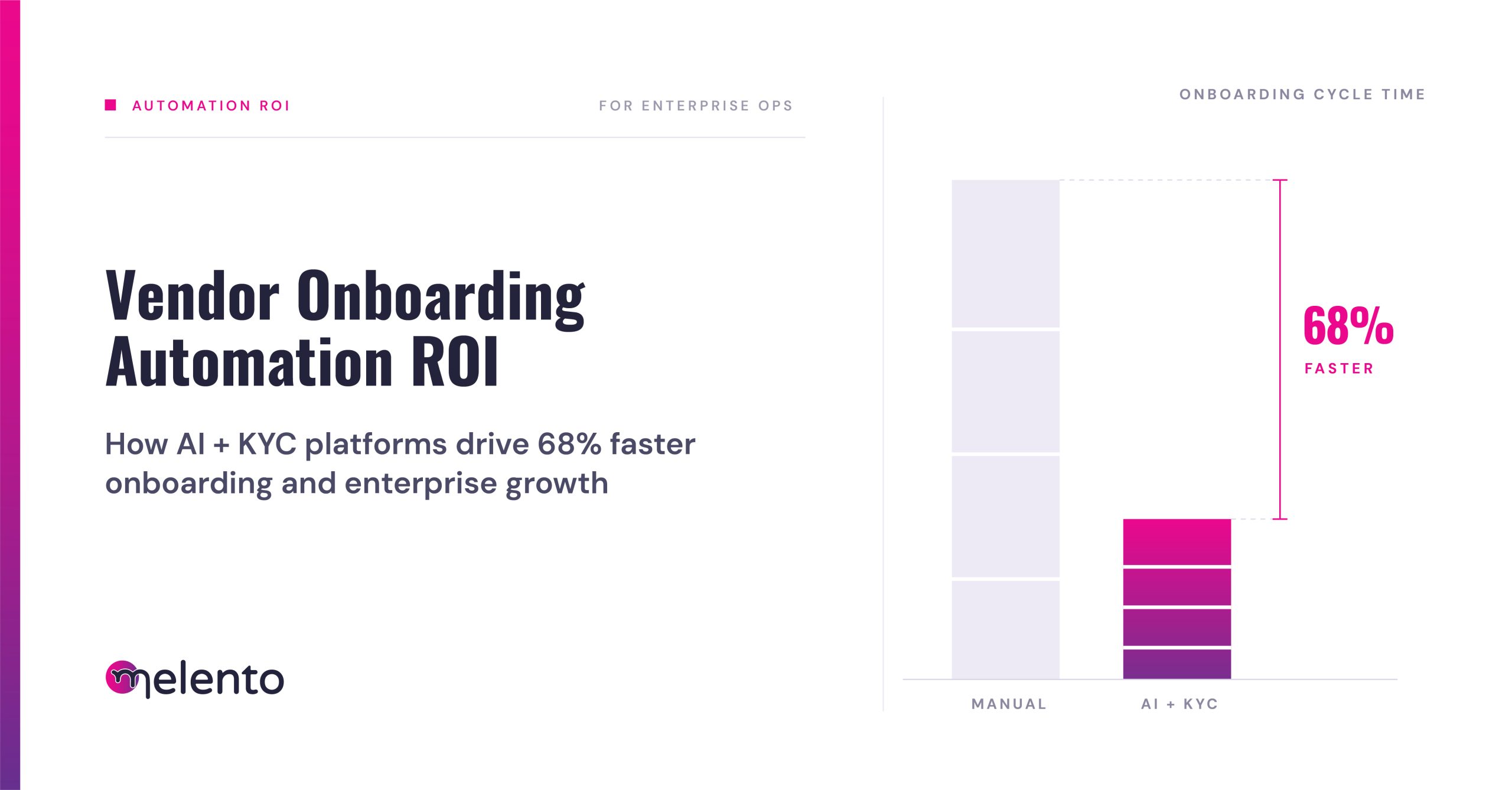
📌 Impact: Businesses experience 68% faster turnaround times, directly accelerating hiring, procurement, and sales cycles. |
- Reduced Risk, Errors & Paperwork
The paper introduces risk: misplaced files, outdated versions, unauthorized edits, and compliance violations.
E-contracting replaces this chaos with structured, tamper-evident, traceable workflows.
- No missing signatures
- No outdated templates
- No conflicting versions
- No uncontrolled access
|
📌 Impact: Organisations report up to 88% error reduction in contracts and dramatically improved compliance readiness. |
- Built-In Audit Trails & Transparency
Every action, viewed, edited, signed, or approved, is automatically recorded. This creates an irrefutable, timestamped audit trail that strengthens internal governance and protects teams during audits or disputes.
|
📌 Impact: Audit preparation time drops with centralized digital records. |
- Scalability for High-Volume Teams
As teams grow, paper-based contracting collapses under volume. Electronic contracts scale effortlessly, handling hundreds or thousands of agreements simultaneously without operational overhead.
- Onboard multiple vendors at once
- Issue bulk HR contracts
- Automate renewals and reminders
- Manage enterprise-level approvals
|
📌 Impact: High-growth companies reduce contract processing costs by up to 54% just by moving to digital workflows. |
- Global Enforceability & Cross-Border Compliance
Electronic contracts are legally recognized across major jurisdictions:
- IT Act (India)
- ESIGN Act (US)
- UETA (US)
- eIDAS (EU)
This means businesses can sign, execute, and enforce agreements across locations without mailing documents back and forth.
|
📌 Impact: Companies expand into new regions 1.6x faster when contracting isn’t tied to geography. |
Digitising your contract workflows is one of the fastest ways to boost operational speed, reduce risk, and enhance compliance.
Challenges & Risk Considerations in Electronic Contracting
Even with all the benefits, digital contracts entail real operational risks that organisations must proactively manage.
|
Challenge |
Risk |
Impact |
|
Authentication Challenges |
Ensuring the signer is truly who they claim to be, especially in remote, high-stakes workflows. |
Weak authentication equates to fraud exposure, repudiation, and failed audits. |
|
Data Privacy & Security |
Contracts contain sensitive personal and financial data that must be protected at rest and in transit. |
Breaches lead to regulatory penalties, reputational loss, and legal disputes. |
|
Compliance Across Jurisdictions |
Misalignment with IT Act, eIDAS, ESIGN, RBI, IRDAI, or sectoral mandates. |
Invalid agreements, audit failures, and regulatory liabilities. |
|
Versioning & Revision Management |
Multiple versions floating across email threads create confusion and expose companies to contractual errors. |
Wrong clauses get signed, updates are missed, and obligations become unclear. |
The right contract automation platform gives you secure authentication, privacy-by-design workflows, regulatory compliance, and zero-confusion version control, all baked into one ecosystem.
How Melento Helps with Electronic Contracts – Turn Risks Into Competitive Advantage
Melento’s contract ecosystem becomes a force multiplier. Here’s how each module transforms e-contracting into a seamless, end-to-end experience.
1. Create Any Type of Electronic Contract with Melento CLM
Melento CLM Software lets teams create, negotiate, and automate every kind of electronic contract, clickwrap, email-based, eSign-ready, or fully automated without juggling tools. With template and clause libraries, legal-approved playbooks, and MS Word Sync, teams move from drafting to approval in minutes instead of days.
AI-powered metadata extraction and contract review eliminate manual errors and give you instant visibility into terms, risks, and obligations. From procurement to HR to sales, Melento CLM centralizes the entire lifecycle so nothing slips through the cracks.
2. Legally Valid Signing with Melento eSign
Melento eSign brings legally enforceable digital signatures to every contract workflow. Whether it’s OTP-based eSign, Aadhaar eSign for KYC-heavy use cases, or DSC signing for BFSI and GovTech compliance. The platform ensures airtight authentication with every signature.
Each signing event includes a tamper-proof audit trail, IP capture, timestamps, and identity validation, meeting regulatory requirements and industry-specific standards. Teams cut signature turnaround by up to 70%, enabling faster onboarding, approvals, and revenue cycles.
3. Instant, Automated Stamping with Melento eStamp
With Melento eStamp, stamp duty is no longer a bottleneck. Teams can instantly purchase digital stamp duty, auto-apply the stamp to contracts, and generate tamper-proof, traceable documents – all within the same workflow.
This is especially valuable for high-volume agreements like loan contracts, rental agreements, affidavits, NDAs, and HR documents. No more waiting for physical stamp papers, no reconciliation issues, and no compliance gaps, just one-click, audit-friendly stamping that fits seamlessly into digital execution.
4. A Central Repository for All Electronic Contracts
Melento’s central repository becomes your single source of truth for every contract across departments and geographies. Role-based access controls ensure sensitive agreements remain protected, while version control prevents confusion between drafts.
Automated reminders for renewals, expiries, and obligations keep teams compliant without manual tracking. With AI-powered contract Q&A, users can query documents in plain language and get answers instantly, reducing legal dependency and boosting operational speed.
Melento brings all of this into a single, unified system: CLM, eSign, eStamp, AI automation, and repository, so your business runs faster, cleaner, and with complete confidence in every contract executed.