NDA vs CDA — Why Using the Wrong One Could Cost Your Business Crores?
Do you know that mismanaged agreements lead to 3X higher legal risks? As businesses grow, protecting sensitive information becomes increasingly important. Confidential documents protect your identity, personal & organizational data.
There are two most commonly used agreements, often referred to interchangeably, available for this purpose. These are the Non-Disclosure Agreement (NDA) and the Confidential Disclosure Agreement (CDA).
But here’s the catch: Most businesses don’t know the difference between NDAs and CDAs.
We aim to clarify that confusion through this blog. In this blog, you’ll discover:
✅ The core differences between NDAs and CDAs
✅ Real-world risks of getting them wrong
✅ How platforms like Melento simplify confidential document management—start to finish.
Melento’s CLM solution helps businesses automate and enforce both NDA and CDA workflows error-free and compliant.
NDA vs CDA: A Quick Comparison
Studies show that around 42 million records were compromised in 2022, emphasizing the importance of selecting the appropriate agreement for your situation.
CDA focuses on “how to share safely”, while NDA focuses on “what not to share.”
|
Term |
Full Form |
Purpose |
Common Use Cases |
|
NDA |
Non-Disclosure Agreement |
Prevents unauthorized sharing of confidential business information |
|
|
CDA |
Confidential Disclosure Agreement |
Allows sensitive information to be shared under defined conditions |
|
NDA vs CDA: Key Differences That Impact Business Outcomes
An NDA is a legally binding contract that protects sensitive information from being disclosed to third parties. It’s commonly used when one party shares confidential information with another for a specific purpose, such as a business deal or partnership.
A CDA is another type of contract designed to protect sensitive information. CDAs are primarily used in research, science, and technology fields where confidential information needs to be shared for collaborative purpose
Moreover, the following breakdown clarifies the differences between NDAs and CDAs and highlights how they are designed to address different confidentiality needs.
|
Feature |
NDA |
CDA |
|
Usage |
Broad – across all sectors, roles, and engagements |
Niche – focused on pharma, R&D, and IP-heavy sectors |
|
Type |
Often unilateral – depends on whether one or both parties disclose |
Usually, mutual – both parties exchange sensitive data |
|
Legal Enforceability |
High under the Indian Contract Act, Section 27 |
Equal enforceability, but more context-specific interpretation |
|
Time Frame |
NDAs typically specify a 1-5-year time frame. |
CDAs have stricter or longer confidentiality terms. |
|
Scope |
Prevents any form of disclosure or leakage |
Allows conditional disclosure for limited, defined purposes |
|
Risk Mitigation |
Prevents leaks of employee, vendor, or client data |
Secures IP, protects regulated research and trial data |
Melento automates both NDA and CDA to protect your business intelligence at scale.
Legal Validity in India: Make Your Confidentiality Contracts Court-Ready
Both NDAs and CDAs are legally enforceable under the Indian Contract Act, 1872 (Sections 10 & 27).
However, legal strength increases significantly with:
✅ Digital Stamping
- Ensures stamp duty is paid under the Indian Stamp Act, 1899
- Acts as proof of authenticity and jurisdictional validity
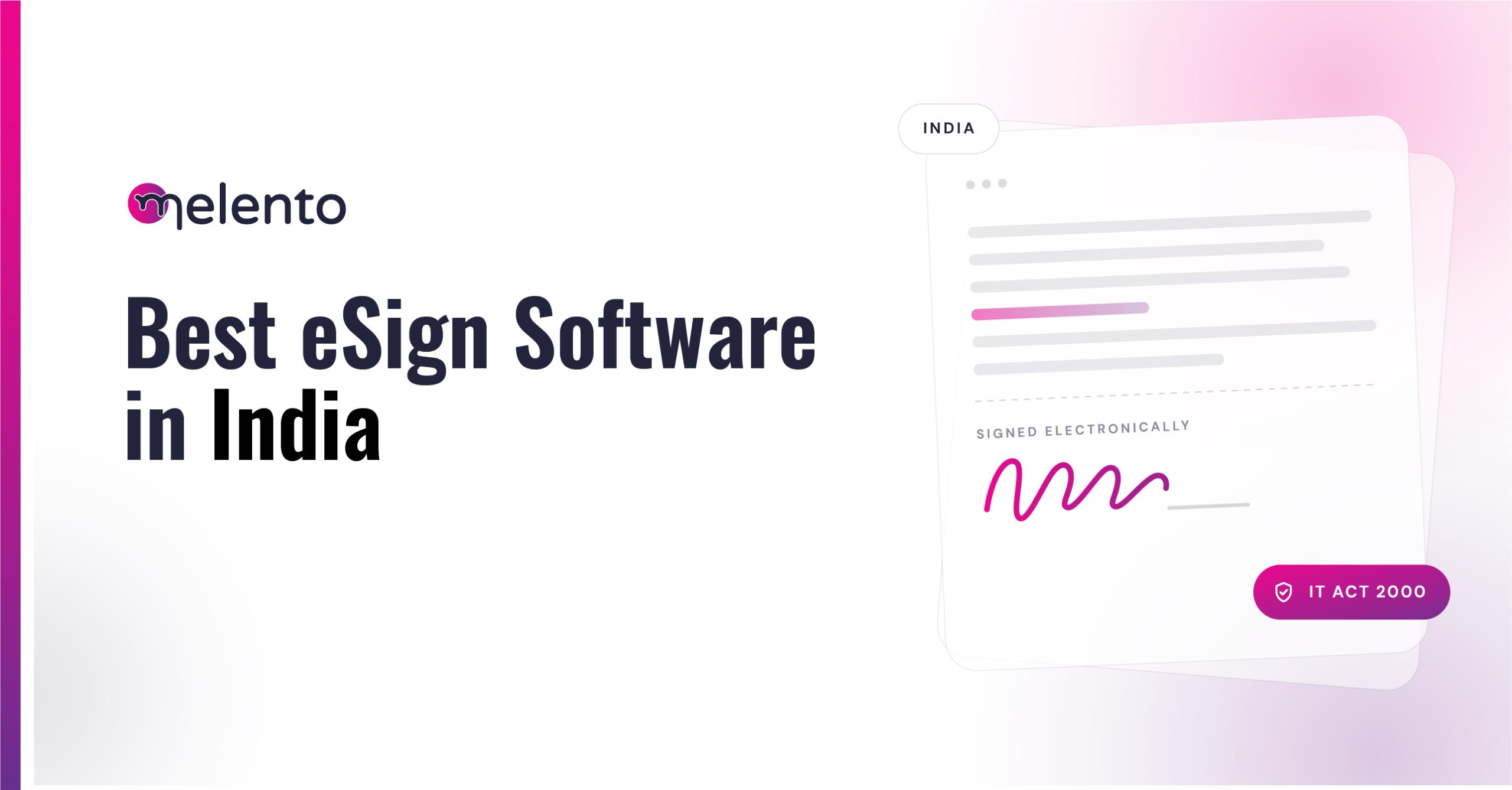
✅ eSignatures (Aadhaar or DSC)
- Legally valid under the IT Act, 2000
- Aadhaar eSign is identity-linked & tamper-proof
- DSCs offer non-repudiation, ideal for high-risk agreements
✅ Audit Trails
- Tracks every action: sign, view, forward, reject
- Creates court-admissible evidence of intent and consent
- Crucial for regulatory audits in BFSI, pharma, and IT sectors
Melento empowers enterprises to:
- Execute NDAs & CDAs 100% digitally
- Ensure IRN-compliant stamping across Indian states
- Use Aadhaar eSign or DSC based on risk sensitivity
- Access real-time audit logs for every document
Why Businesses Trust Melento for NDA & CDA Execution Over Other Platforms?
Melento’s AI-powered Contract Lifecycle Management (CLM) platform transforms your confidentiality processes into a secure, automated, and audit-ready workflow
Here’s why 3000+ leading enterprises choose Melento:
- Template-Based Creation
- Pre-approved NDA/CDA templates with legal clauses
- Legal team control with business team ease-of-use
- Accelerate contract drafting time by 70%
- Seamless Digital Stamping & eSign
- Aadhaar eSign & DSC integration
- Legally compliant, court-admissible documents in minutes
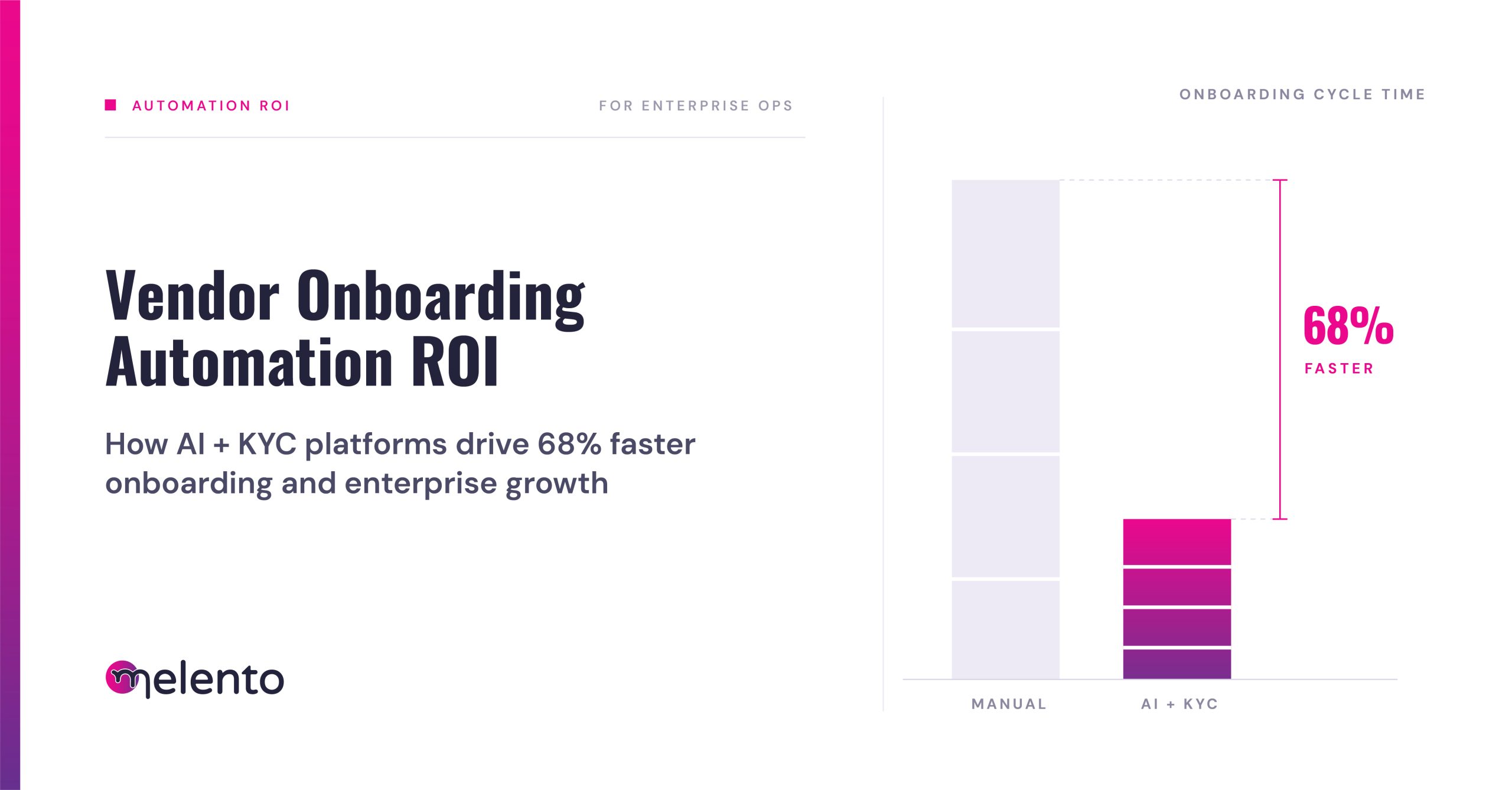
- Reduces turnaround time by 68%
- Smart Repository with Auto-Renewals
- Store all NDAs and CDAs in a centralized digital vault.
- Use advanced search filters to locate agreements by keywords, parties, or dates quickly.
- Automated renewal alerts reduce missed renewals by 92%
- Real-Time Audit Trail & Notifications
- Time-stamped audit trail of every user action
- Never miss an NDA or CDA renewal deadline with automated alerts
- Monitor obligations and milestones outlined in agreements to ensure compliance.
Melento’s CLM software takes the hassle out of managing NDAs and CDAs by automating and streamlining every stage of the contract lifecycle.
Melento Results That Matter
|
Metric |
Impact |
|
Avg NDA/CDA TAT |
Reduced from 5 days to 2 hours |
|
Legal Compliance |
100% audit-ready documents |
|
User Adoption |
90%+ active use across business teams |
|
Cost Savings |
Up to 90% savings on manual workflows |
NDA vs CDA Use Cases by Industry: Real-World Applications Clarity
|
Industry |
NDA Use |
CDA Use |
|
BFSI |
-Employee onboarding confidentiality -Vendor compliance agreements -Loan processing outsourcing |
-Sharing KYC/AML models with fintechs -Data-sharing with RegTech partners -Collaborating on fraud detection systems |
|
Pharma |
-Partner onboarding agreements -Contract manufacturing secrecy -Logistics data confidentiality |
-Clinical trial data sharing -Drug formula collaboration -Licensing biotech IP with global firms |
|
Technology |
-Investor pitch confidentiality -IP and product roadmap protection -Developer contracts |
-Joint tech research projects -Algorithm, source code, or API sharing -Collaboration with universities or labs |
|
HR & Staffing |
-Employment NDAs -Confidentiality for third-party recruiters -Executive exit clause protection |
-Cross-border HR data sharing -GDPR/DPDP compliance with partners -Global workforce analytics exchange |
Common NDA & CDA Mistakes Businesses Must Avoid
Even well-intentioned agreements can fail if poorly executed. By adhering to these best practices, businesses can create NDAs and CDAs that effectively protect their interests and reduce risks. So, here’s what not to do:
- Avoid overly broad definitions of confidential information. Be specific to ensure enforceability.
- Failing to list exclusions from confidentiality can lead to disputes over what is considered protected.
- Imposing indefinite confidentiality obligations may be seen as unreasonable in certain jurisdictions.
- Avoid ambiguous language that could create confusion about the agreement’s scope or obligations.
- Align with the IT Act, GDPR, local, and cross-border regulations.
- An NDA or CDA without signatures, physical or eSign, is not valid.
- Avoid using generic templates without customizing them to your industry or use case.
Manage NDA and CDA Confidentiality With Melento CLM
NDAs and CDAs aren’t just legal formalities. They’re your first line of defense against data leaks, IP theft, and compliance risks.
Melento empowers businesses to handle both NDA and CDA workflows. From finance to pharma to HR, confidentiality starts with clarity. And clarity starts with Melento.
Melento brings structure, control, and intelligence to how businesses manage confidentiality.
With automated stamping, digital signatures, compliant templates, renewal alerts, and audit trails, Melento turns your NDA/CDA process into a secure, predictable, zero-risk workflow—trusted by 3,000+ enterprises worldwide.