
India’s digital lending ecosystem is at an inflection point. What was once a fragmented, paper-heavy process is now rapidly evolving into a seamless, fully digital journey. Yet, as lenders scale, they face a persistent tension: how to move faster without compromising compliance.
This is where Aadhaar-authenticated signatures, e-KYC, and AI-driven verification are quietly reshaping the industry.
What Are Aadhaar-Authenticated Signatures and Why Are They Important in Digital Lending?
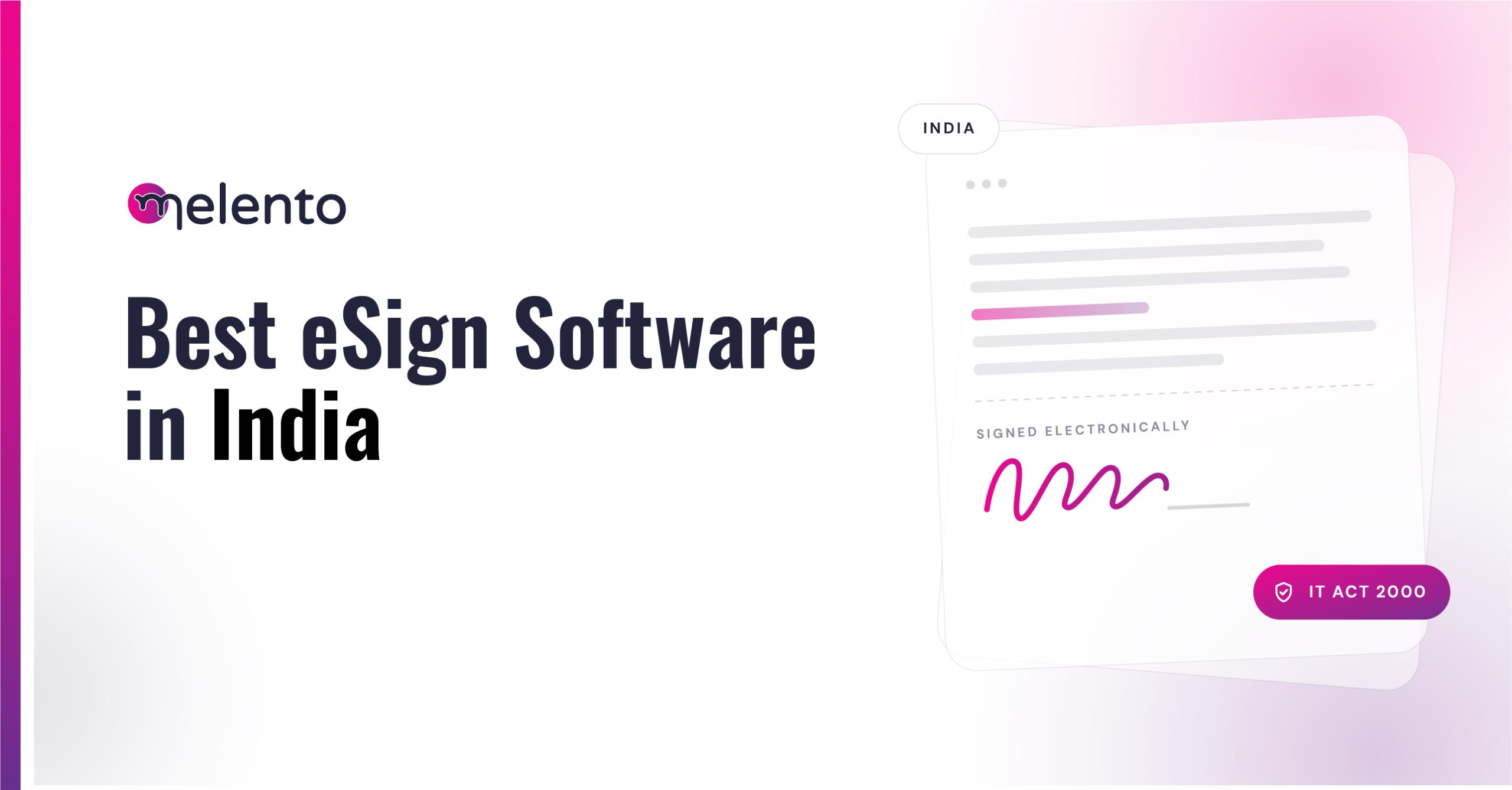
Aadhaar-authenticated signatures enable borrowers to digitally sign documents using their Aadhaar-linked identity through UIDAI verification (OTP or biometrics). In digital lending, these signatures remove the need for physical paperwork while retaining legal validity under the Information Technology Act, 2000.
Platforms like Melento’s Aadhaar-based eSign go a step further by embedding signatures within structured workflows, ensuring documents are not just signed, but also verified, tracked, and audit-ready. This makes lending documentation secure, tamper-proof, and fully compliant, while significantly improving operational efficiency and borrower trust.
How Does Aadhaar-Based e-KYC Streamline the Digital Onboarding Process?
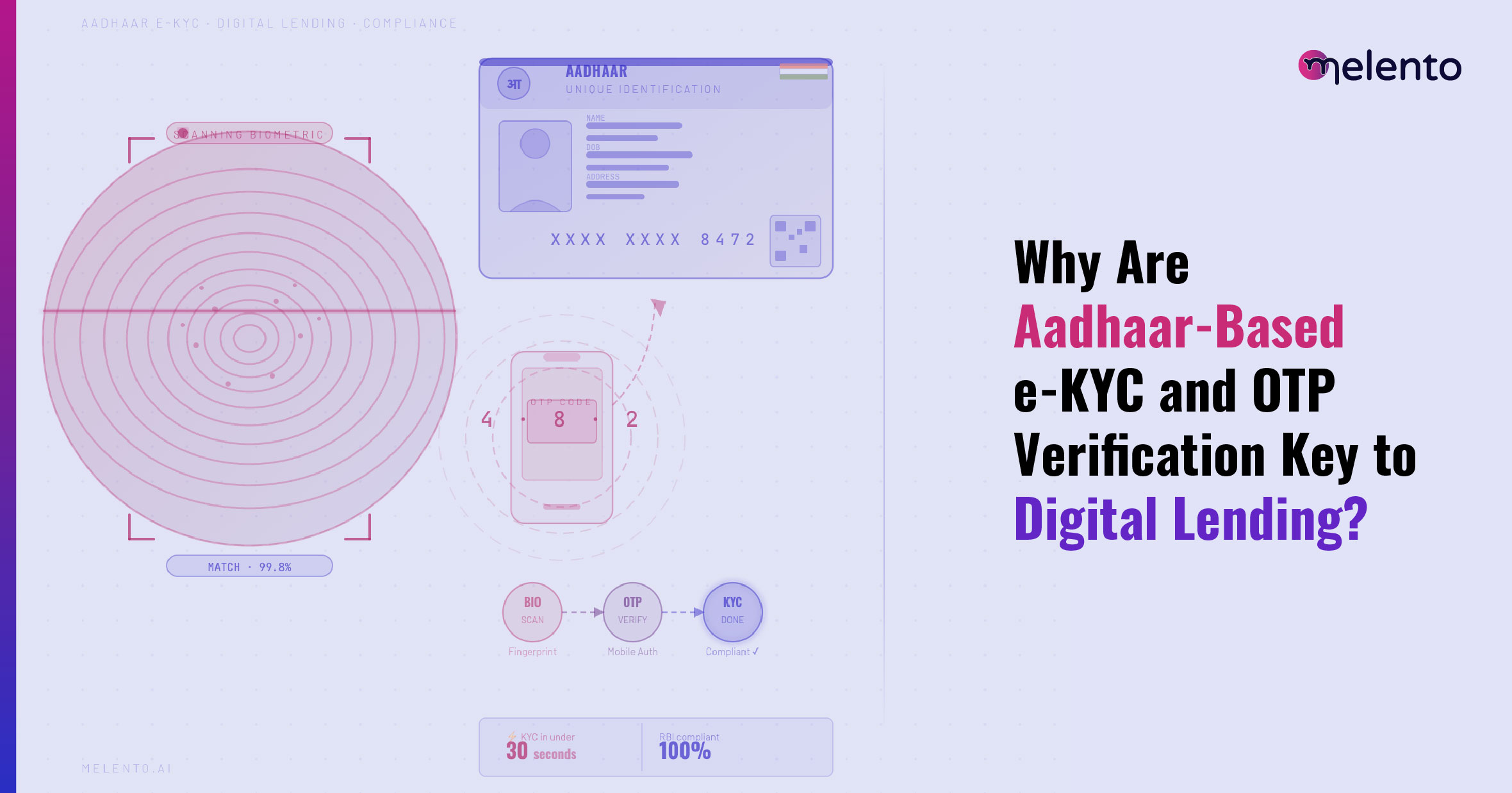
Aadhaar-based e-KYC allows lenders to instantly verify a borrower’s identity using UIDAI’s secure database. This eliminates manual document collection and branch visits, reducing onboarding timelines from days to minutes.
With Melento’s AI-powered KYC, lenders can intelligently validate data, detect inconsistencies, and automate verification checks, thereby minimizing human error and fraud risk. The result is faster loan approvals, lower operational costs, and a seamless, paperless onboarding experience for customers.
In What Ways Do OTP-Based Aadhaar Verifications Enhance Trust and Compliance?
OTP-based Aadhaar authentication ensures that only the rightful Aadhaar holder can authorize transactions or sign documents.
When integrated into platforms like Melento, OTP verification is combined with secure audit trails, consent capture, and identity validation layers, thereby strengthening compliance with RBI and UIDAI standards. This approach prevents impersonation, ensures explicit borrower consent, and builds trust across digital lending ecosystems.
How Do Aadhaar-Authenticated Signatures Balance Compliance and Customer Convenience?
Aadhaar-authenticated signatures achieve a critical balance between regulatory compliance and user experience. From a compliance perspective, solutions like Melento eSign provide timestamping, encryption, and end-to-end audit trails aligned with regulatory requirements.
From a customer perspective, they enable fully digital journeys, allowing borrowers to apply, verify, and sign loan agreements anytime, anywhere. This dual advantage leads to faster approvals, reduced drop-offs, and higher customer satisfaction.
Is Aadhaar-Based eSign Legally Valid in India?
Yes, Aadhaar-based eSign is legally valid under the Information Technology Act, 2000, and is recognized by regulatory authorities. Solutions like Melento eSign ensure compliance by incorporating secure authentication, consent logs, and tamper-evident documentation.
How Does AI Improve KYC Accuracy in Digital Lending?
AI enhances KYC by automating identity verification, detecting anomalies, and reducing manual intervention. Melento’s AI-powered KYC uses intelligent validation and data, matching to improve accuracy, reduce fraud risks, and accelerate onboarding decisions.
How Do Aadhaar eSign Solutions Reduce Loan Processing Time?
Aadhaar eSign eliminates physical paperwork and enables instant document execution. When combined with Melento’s workflow-driven platform, approvals, verifications, and signatures occur in a structured, automated sequence, dramatically reducing loan processing time.
What Security Measures Should be Built into Aadhaar-Based eSign Platforms?
Modern Aadhaar eSign platforms, including Melento, incorporate:
- OTP/biometric authentication
- End-to-end encryption
- Tamper-proof document storage
- Detailed audit trails and timestamps
These measures ensure high levels of data security, compliance, and trust.
What Are the Key Benefits of AI-powered Aadhaar-Based Digital Onboarding for Lenders?
While Aadhaar addresses identity verification, it doesn’t fully cover data validation, fraud detection, or anomaly checks. That’s where AI steps in. Modern lending platforms are now combining Aadhaar-based e-KYC with AI-powered KYC engines to:
- Detect inconsistencies in borrower data
- Flag suspicious patterns in real time
- Automate decision-making for low-risk profiles
Melento’s AI-powered KYC, for example, adds an intelligence layer that reduces manual intervention while improving accuracy. The impact is measurable:
- Up to 70% reduction in manual verification effort
- 1.6x Faster risk assessment and approvals
- Improved compliance with evolving regulatory expectations
With Melento, these benefits are amplified through workflow automation, real-time tracking, and integrated compliance controls.
What is the Future of Digital Lending?
The digital lending market is likely to grow to $515 Bn by 2030, so it demands both speed and trust, and Aadhaar-based systems deliver both. In this future:
- Aadhaar will remain the backbone of identity verification
- AI will drive smarter, faster risk decisions
- Workflow platforms will unify compliance, onboarding, and execution
The winners won’t be those who digitize processes, but those who reimagine them.
With Melento’s AI-powered KYC and Aadhaar eSign, lenders can securely scale onboarding, automate compliance checks, and reduce risk exposure. Borrowers benefit from instant access to credit and a reliable, government-backed identity framework. Together, these technologies are shaping a future where lending is faster, safer, and entirely digital.